 oXoo AI
Cloud Computing Market Positioned for Significant Gains Through 2034
Market Summary:
The cloud computing market has become a foundational element of the modern digital economy, enabling organizations to operate with greater agility, scalability, and resilience. By offering on-demand access to computing resources, storage, and advanced software capabilities, cloud technology has shifted enterprise IT from capital-intensive infrastructure models toward flexible, service-based environments. Organizations across industries are leveraging cloud solutions to support remote work, accelerate innovation, and modernize legacy systems without the constraints of traditional data centers.
The global cloud computing market size was valued at USD 736.10 billion in 2024, and is anticipated to register a CAGR of 20.8% from 2025 to 2034.
The market encompasses a wide range of deployment models and service offerings that address diverse business needs. Public, private, and hybrid environments allow enterprises to tailor cloud strategies based on performance, compliance, and operational priorities. Increasingly, cloud computing is not just an IT choice but a strategic imperative supporting digital transformation, customer experience enhancement, and data-driven decision-making. As businesses navigate rapidly changing market conditions, the cloud serves as a stable yet adaptable backbone for long-term growth.
𝐃𝐨𝐰𝐧𝐥𝐨𝐚𝐝 𝐅𝐫𝐞𝐞 𝐒𝐚𝐦𝐩𝐥𝐞 𝐑𝐞𝐩𝐨𝐫𝐭 👉
https://www.polarismarketresearch.com/industry-analysis/cloud-computing-market/request-for-sample
Key Market Growth Drivers:
One of the most significant drivers of cloud computing adoption is the growing need for operational flexibility and scalability. Organizations require technology environments that can quickly adjust to shifts in demand, product development cycles, and market expansion initiatives. Cloud infrastructure services enable enterprises to scale resources dynamically while maintaining high availability and performance, supporting both core operations and innovation initiatives.
Hybrid cloud adoption is also accelerating as organizations seek to balance control, security, and flexibility. Many enterprises are combining on-premises systems with cloud resources to optimize workloads, improve resilience, and meet regulatory requirements. This approach allows businesses to modernize incrementally while preserving investments in existing infrastructure. Hybrid strategies are particularly attractive to industries with complex compliance needs, where data sovereignty and latency considerations are critical.
The rapid growth of data-driven applications is another powerful growth factor. Advanced analytics, artificial intelligence, and machine learning workloads require elastic computing resources that are well-suited to cloud environments. Cloud platforms enable faster experimentation, streamlined model training, and real-time insights that support more informed decision-making. As organizations increasingly rely on digital channels and personalized services, cloud-based architectures are essential for managing and processing large volumes of data efficiently.
Access The Press Release:
https://www.polarismarketresearch.com/press-releases/cloud-computing-market
Market Challenges:
Despite strong adoption momentum, the cloud computing market faces several challenges that influence implementation and long-term success. Data security and privacy concerns remain at the forefront, particularly as organizations migrate sensitive and mission-critical workloads. Ensuring robust cloud security solutions requires continuous monitoring, clear governance policies, and a shared responsibility approach between providers and customers. Misconfigurations, skills gaps, and evolving threat landscapes can increase risk if not properly addressed.
Vendor lock-in is another challenge organizations must navigate. As cloud services become more specialized, migrating workloads between platforms or providers can become complex and costly. Businesses are increasingly focusing on portability and open architectures to retain flexibility and negotiating power, but achieving this requires careful planning and architectural discipline.
Regional Analysis:
Regional dynamics in the cloud computing market reflect varying levels of digital maturity, regulatory environments, and economic priorities. In developed markets, cloud adoption is deeply embedded within enterprise transformation strategies. Organizations in these regions are focusing on application modernization, data analytics, and advanced services to enhance competitiveness and customer engagement. Hybrid and multi-cloud strategies are common, driven by the need for resilience, compliance, and performance optimization.
Emerging regions are experiencing rapid cloud growth as organizations leapfrog traditional IT infrastructure. Cloud technology provides a cost-effective and scalable foundation for digital services in markets where on-premises resources may be limited. Small and medium-sized enterprises in these regions are increasingly adopting cloud-based applications to improve efficiency, expand reach, and participate in global digital ecosystems.
Government-led digital initiatives are also shaping regional adoption patterns. Investments in digital public services, smart infrastructure, and innovation hubs are accelerating cloud deployment across public and private sectors. In some regions, strong data localization requirements are influencing the development of regional cloud facilities and partnerships with local providers.
- Key Companies:
Alibaba Cloud - AWS (Amazon Web Services)
- DigitalOcean
- Google Cloud (Alphabet Inc.)
- IBM Cloud (IBM)
- Microsoft Azure
- Oracle Cloud Infrastructure
- OVHcloud
- Rackspace Technology
- Salesforce
- Tencent Cloud
Browse The Complete Report:
https://www.polarismarketresearch.com/industry-analysis/cloud-computing-market
Strategic Outlook:
Looking ahead, the cloud computing market is expected to continue evolving from a foundational technology into a strategic enabler of innovation. Organizations will place greater emphasis on cloud-native development, automation, and intelligent operations to drive efficiency and resilience. The convergence of cloud computing with emerging technologies such as artificial intelligence and edge computing will further expand use cases and industry applications.
Cloud strategies will increasingly prioritize security, governance, and sustainability alongside performance and scalability. Enterprises that align cloud adoption with clear business objectives and invest in skills and organizational change will be best positioned to capture long-term value. Flexible architectures and strong partnerships will be critical as technology landscapes continue to evolve.
Conclusion:
The cloud computing market remains a driving force behind digital transformation across the global economy. By providing scalable, flexible, and innovation-ready environments, cloud technology is enabling organizations to respond to change with speed and confidence. While challenges related to security, cost management, and skills persist, continued advancements in enterprise cloud platforms and security solutions are strengthening the market’s foundation. As cloud computing becomes increasingly embedded in business strategy, it will continue to redefine how organizations operate, compete, and grow.
More Trending Latest Reports By Polaris Market Research:
Motion Preservation Devices Market
Motion Preservation Devices Market
Electric Commercial Vehicles Market
U.S. Recycled PET Flakes Market
Catégories
Lire la suite
"Executive Summary Nuts Allergen Testing Market Opportunities by Size and Share CAGR Value Data Bridge Market Research analyses that the nuts allergen testing market was valued at 256.24 million in 2021 is expected to reach the value of USD 430.49 million by 2029, at aw CAGR of 6.70% during the forecast period. To achieve detailed market insights and keep market place clearly into the...

"Competitive Analysis of Executive Summary Vision Care Market Size and Share Data Bridge Market Research analyses that the global vision care market which was USD 41,167.62 million in 2022, is expected to reach USD 57,964.79 million by 2030, and is expected to undergo a CAGR of 4.23% during the forecast period 2023-2030. To stand apart from the competition, a careful idea about the competitive...

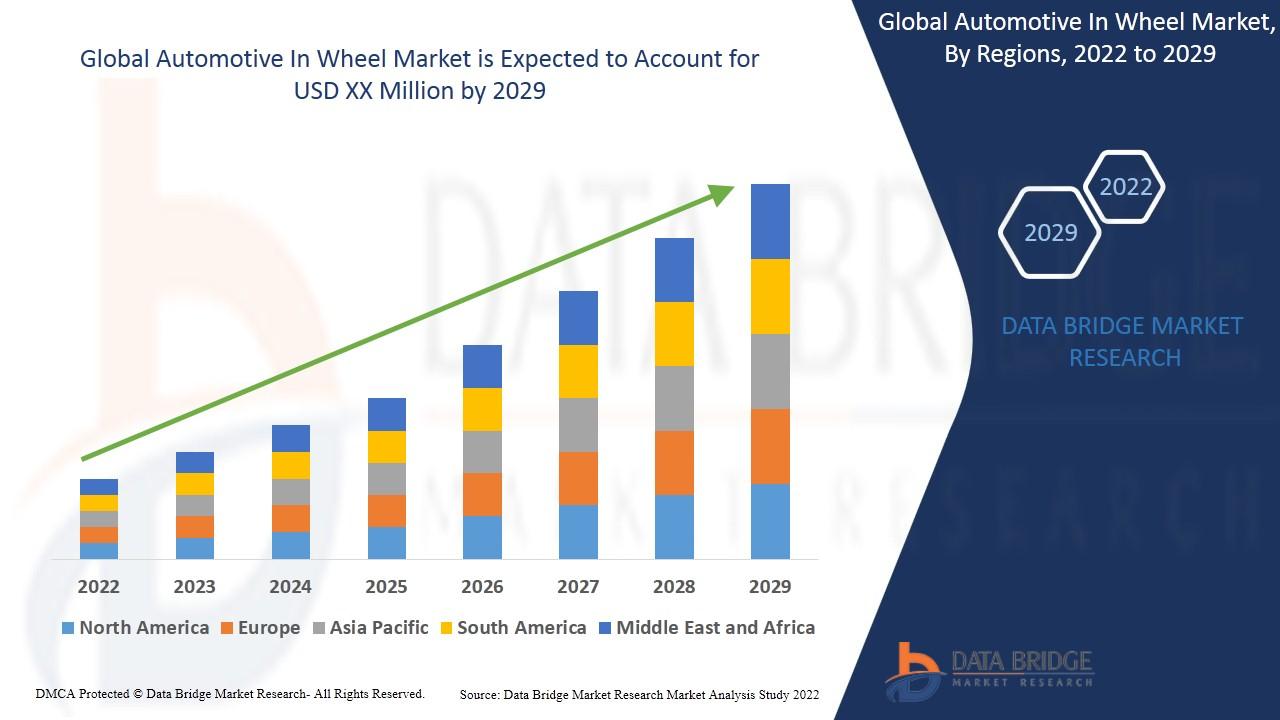
"Executive Summary Automotive In Wheel Market Market Value, Size, Share and Projections CAGR Value The automotive in wheel market is expected to witness market growth at a rate of 20.60% in the forecast period of 2022 to 2029. Data Bridge Market Research report on automotive in wheel market provides analysis and insights regarding the various factors expected to be prevalent...
The Connected Logistics Market estimation highlights a rapidly expanding landscape for logistics digitalization. With projections showing an increase from USD 62.1 Million in 2024 to USD 395.6 Million by 2035, connected logistics technologies are expected to revolutionize the way global supply chains function. The estimation is based on strong technological trends—such as IoT...

Introduction The global Elevator Market plays a critical role in modern urban infrastructure, enabling efficient vertical transportation in residential, commercial, and industrial buildings. Elevators are no longer just functional equipment; they have evolved into sophisticated systems that prioritize safety, energy efficiency, and user experience. The market encompasses a wide range...