oXoo AI
Sports Equipment Market Size, Share, and Growth Opportunities
Global Demand Outlook for Executive Summary Sports Equipment Market Size and Share
CAGR Value
Data Bridge Market Research analyses that the global sports equipment market will project a CAGR of 4.20% for the forecast period of 2022-2029
Sports Equipment Market survey report brings into light key market dynamics of sector along with the current market scenario and future prospects of the sector. This finest market research report has been structured with the expertise and innovation of a team of researchers, forecasters, analysts and managers. In this industry analysis report, company profiles of the key market competitors are analysed with respect to company snapshot, geographical presence, product portfolio, and recent developments. The widespread Sports Equipment Market document acts as a supreme base for the competitor analysis, analyzing their core competencies, and drawing a competitive landscape for the Sports Equipment Market industry.
These key player’s strategies mainly consist of new product launches, expansions, agreements, joint ventures, partnerships, acquisitions, and others that advances their footprints in the Sports Equipment Market industry. The utilization of proven tools such as SWOT analysis and Porter’s Five Forces analysis is very helpful in creating such first-class Sports Equipment Market research report. The data and information composed for preparing this market report is generally quite a huge and also in a complex form. However, such intricate market insights are revolved into simpler version with the help of proven tools and techniques to provide better experience to the end users.
Get strategic knowledge, trends, and forecasts with our Sports Equipment Market report. Full report available for download:
https://www.databridgemarketresearch.com/reports/global-sports-equipment-market
Sports Equipment Market Exploration
Segments
- Product Type: The global sports equipment market can be segmented based on product type into equipment for football, basketball, tennis, golf, baseball, hockey, and others. Each segment caters to the specific needs of athletes and sports enthusiasts in terms of equipment requirements and specifications.
- Distribution Channel: Another important segment of the market is distribution channels, which include online retail, specialty stores, department stores, and others. The choice of distribution channel significantly impacts the reach and availability of sports equipment to end consumers.
- End User: The end-user segment of the sports equipment market includes professional athletes, amateur players, and fitness enthusiasts. Each category has distinct preferences and requirements for sports equipment, driving the market to offer a wide range of products to cater to diverse needs.
Market Players
- Nike, Inc.: As a leading player in the global sports equipment market, Nike offers a wide range of products for various sports, including footwear, apparel, and accessories. The brand's innovative technologies and marketing strategies make it a key player in the industry.
- Adidas AG: Adidas is another prominent player in the market known for its high-quality sports equipment and apparel. The brand's focus on performance enhancement and sustainability has helped it maintain a competitive edge in the market.
- Under Armour, Inc.: Under Armour is a key player in the sports equipment market, specializing in innovative apparel, footwear, and accessories for athletes. The brand's emphasis on technology-driven products has gained a loyal customer base globally.
- Puma SE: Puma is a well-known sports equipment brand offering a wide range of products for various sports categories. The brand's trendy designs and performance-focused products have contributed to its success in the market.
The global sports equipment market is highly competitive, with key players focusing on product innovation, brand positioning, and marketing strategies to gain a competitive advantage. The market continues to witness growth due to increasing participation in sports and fitness activities, rising disposable incomes, and changing consumer preferences. The emergence of e-commerce platforms has further accelerated market growth by offering a convenient shopping experience for consumers worldwide.
The global sports equipment market is a dynamic industry with a wide range of product types catering to various sports such as football, basketball, tennis, golf, baseball, hockey, and others. Each segment presents unique opportunities for market players to innovate and meet the specific needs of athletes and sports enthusiasts. The diversity in product offerings allows for targeted marketing strategies and customized product development to enhance performance and user experience. As consumer preferences evolve, market players must stay ahead of trends and adapt their product portfolios to remain competitive and relevant in the market.
Distribution channels play a crucial role in determining the accessibility and availability of sports equipment to end consumers. Online retail platforms have revolutionized the shopping experience by offering convenience, a wide selection of products, and personalized recommendations. Specialty stores provide a focused shopping environment for sports enthusiasts looking for specialized equipment and expert advice. Department stores offer a one-stop shopping destination for a variety of sports equipment, catering to a broader customer base. The choice of distribution channel can influence brand visibility, product reach, and customer engagement, making it essential for market players to strategize their channel selection based on target market segments and business objectives.
The end-user segment of the sports equipment market comprises professional athletes, amateur players, and fitness enthusiasts, each with distinct needs and preferences. Professional athletes demand high-performance gear that enhances their skills and maximizes their competitive edge. Amateur players seek reliable and durable equipment that supports their development and enjoyment of the sport. Fitness enthusiasts look for comfortable and functional gear that enables them to pursue their wellness goals effectively. Understanding the diverse requirements of end users is paramount for market players to design products that meet quality standards, performance expectations, and style preferences across different user segments.
Nike, Inc., Adidas AG, Under Armour, Inc., and Puma SE are key players in the global sports equipment market, known for their innovation, product quality, and brand reputation. These market leaders invest in research and development to introduce cutting-edge technologies, materials, and designs that set trends and drive consumer loyalty. Brand positioning and marketing strategies are crucial for creating brand awareness, fostering customer engagement, and building brand loyalty in a competitive market landscape. By differentiating their product offerings, leveraging brand heritage, and nurturing customer relationships, market players can sustain growth and remain competitive in the global sports equipment market.
In conclusion, the global sports equipment market presents lucrative opportunities for market players to differentiate their offerings, target specific customer segments, and capitalize on evolving consumer trends. By leveraging product innovation, distribution channel strategies, and brand positioning, market players can establish a competitive advantage, drive growth, and meet the diverse needs of athletes and sports enthusiasts worldwide. The continuous evolution of the sports equipment market underscores the importance of market research, consumer insights, and strategic planning to navigate market dynamics, seize growth opportunities, and stay ahead of the competition.The global sports equipment market is characterized by intense competition among key players such as Nike, Inc., Adidas AG, Under Armour, Inc., and Puma SE, who are at the forefront of innovation, product quality, and brand recognition. These market leaders invest significantly in research and development to introduce cutting-edge technologies, materials, and designs that set industry trends and drive consumer loyalty. By focusing on brand positioning and effective marketing strategies, these companies can create strong brand awareness, engage customers, and foster brand loyalty in a highly competitive market landscape.
Product differentiation is a crucial factor for market players looking to establish a competitive edge in the sports equipment market. By offering innovative and unique products that cater to specific customer needs and preferences, companies can attract and retain a loyal customer base. Leveraging brand heritage and reputation, coupled with a deep understanding of consumer behavior and market trends, can help companies effectively position their products and stand out in a crowded marketplace.
Distribution channel strategies play a vital role in determining the accessibility and availability of sports equipment to end consumers. With the increasing popularity of online retail platforms, companies have the opportunity to reach a broader audience, provide a seamless shopping experience, and offer personalized recommendations to enhance customer satisfaction. Specialty stores and department stores also play a significant role in providing a focused shopping environment and a one-stop destination for sports enthusiasts, respectively. Choosing the right distribution channels based on target market segments and business objectives is crucial for companies to maximize brand visibility, expand product reach, and drive customer engagement.
The end-user segment of the sports equipment market is diverse, consisting of professional athletes, amateur players, and fitness enthusiasts, each with distinct needs and preferences. Understanding these diverse requirements is essential for market players to develop products that meet quality standards, performance expectations, and style preferences across different user segments. By offering a wide range of products tailored to various end-user needs, companies can effectively target specific customer segments and drive market growth.
In conclusion, the global sports equipment market offers significant opportunities for market players to innovate, differentiate their offerings, and tap into evolving consumer trends. By focusing on product innovation, strategic distribution channel management, brand positioning, and consumer insights, companies can navigate market dynamics, seize growth opportunities, and maintain a competitive edge in the industry. Continuous market research, trend analysis, and strategic planning are essential for companies to adapt to changing market conditions, meet customer demands, and sustain long-term success in the dynamic sports equipment market.
See how much of the market the company dominates
https://www.databridgemarketresearch.com/reports/global-sports-equipment-market/companies
Essential Analyst Questions for Sports Equipment Market Forecasting
- What is the current economic footprint of the Sports Equipment Market?
- What is the anticipated pace of expansion for the coming years?
- What are the major classifications outlined in the report?
- Who are the standout performers in this sector?
- What product rollouts have shaped the Sports Equipment Market recently?
- What international markets are analyzed?
- Which regional market is expanding the fastest?
- Which country is projected to take the lead?
- What region contributes most to Sports Equipment Market value?
- Which country is forecasted to grow at the highest rate?
Browse More Reports:
Global Sports Equipment Market
Global Surgical Microscopes Market
Global Vegan Confectionery Market
Global Vinyl Ester Market
Mexico Adult Vitamin Gummies Market
Europe Alternative Proteins Market
North America Alternative Proteins Market
Asia-Pacific Dry Eye Syndrome Market
Asia-Pacific Eco-Friendly Packaging Market
Brazil Elderly Care Market
North America Elderly Care Market
Nepal Elderly Care Market
Middle East and Africa Leather Goods Market
North America Third Party Risk Management Market
Middle East and Africa Sulfuric Acid Market
About Data Bridge Market Research:
An absolute way to forecast what the future holds is to comprehend the trend today!
Data Bridge Market Research set forth itself as an unconventional and neoteric market research and consulting firm with an unparalleled level of resilience and integrated approaches. We are determined to unearth the best market opportunities and foster efficient information for your business to thrive in the market. Data Bridge endeavors to provide appropriate solutions to the complex business challenges and initiates an effortless decision-making process. Data Bridge is an aftermath of sheer wisdom and experience which was formulated and framed in the year 2015 in Pune.
Contact Us:
Data Bridge Market Research
US: +1 614 591 3140
UK: +44 845 154 9652
APAC : +653 1251 975
Email:- corporatesales@databridgemarketresearch.com
Categorii
Citeste mai mult
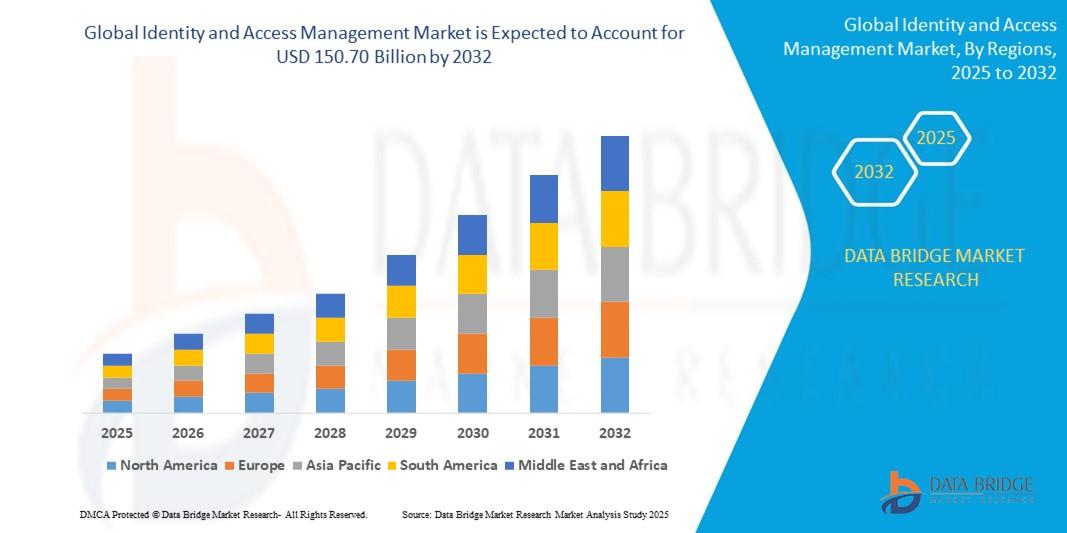
Introduction In an era dominated by digital transformation, businesses and organizations face an ever-increasing need to secure sensitive data, control access, and comply with regulatory requirements. Identity and Access Management (IAM) solutions have emerged as critical tools for achieving these objectives. IAM encompasses policies, technologies, and processes that ensure the right...
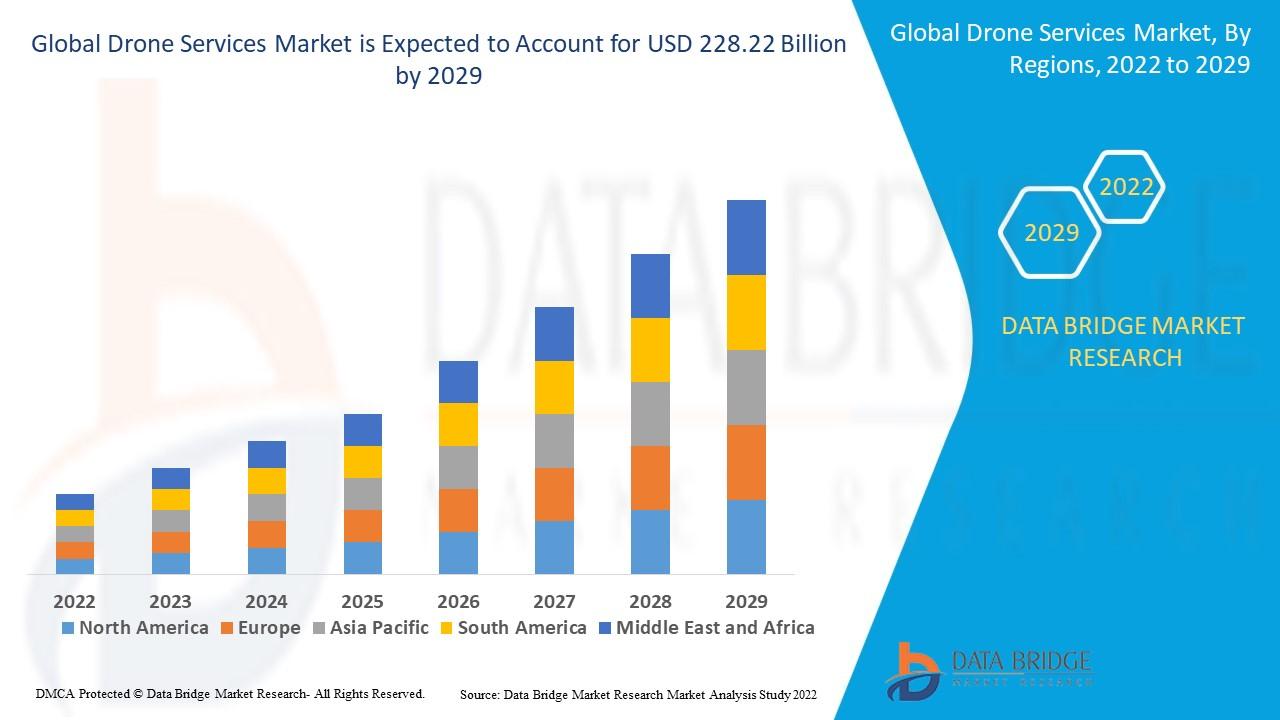
Key Drivers Impacting Executive Summary Drone Services Market Size and Share CAGR Value Global drone services market size was valued at USD 3.10 billion in 2024 and is projected to reach USD 74.54 billion by 2032, with a CAGR of 48.82% during the forecast period of 2025 to 2032. The credible Drone Services Marketreport comprises of various segments linked to Drone Services...
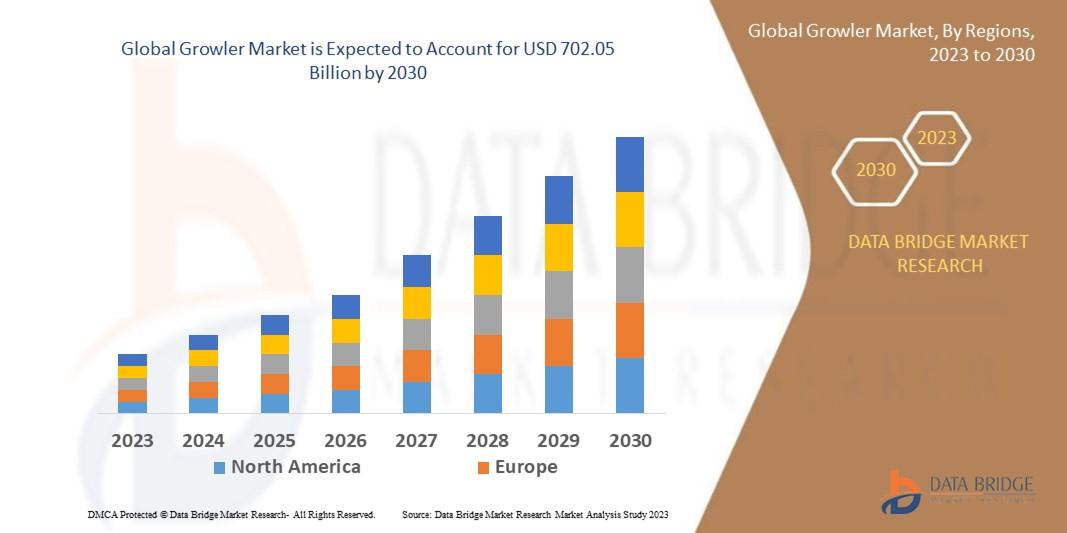
Executive Summary Growler Market Size and Share Analysis Report CAGR Value Data Bridge Market Research analyses that the growler market is expected to reach USD 702.05 billion by 2030, which is USD 520.94 billion in 2022, registering a CAGR of 3.80% during the forecast period of 2023 to 2030. With the use of few steps or the combination of several steps, the process of generating...
The remarkable expansion of the people counting technology sector across Europe is not accidental but is propelled by a series of powerful and converging market forces. The most significant catalyst behind the Europe People Counting System Market Growth is the intense desire of brick-and-mortar retailers to harness data for a competitive advantage. In an era dominated by e-commerce,...

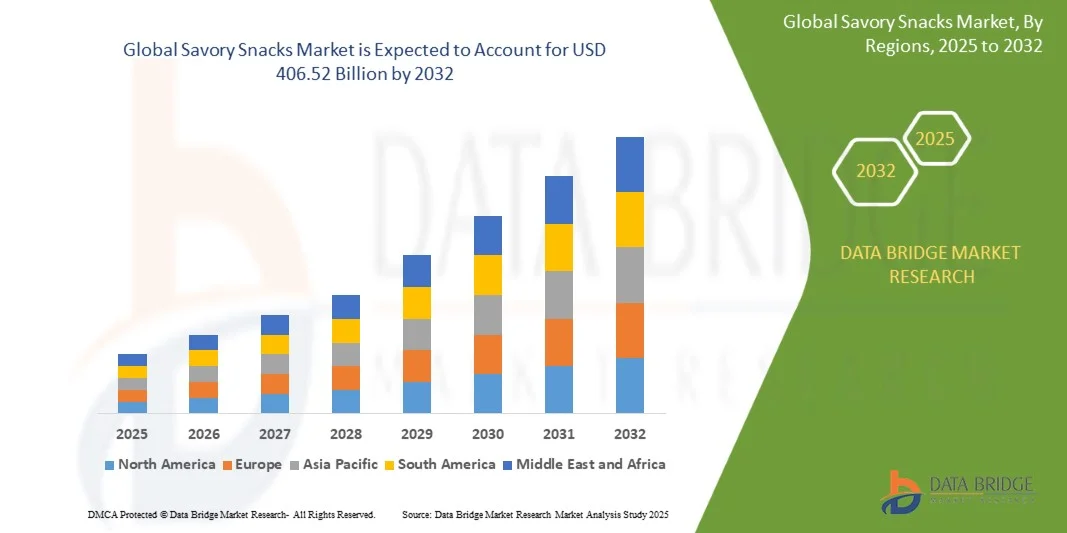
"Executive Summary Savory Snacks Market Size, Share, and Competitive Landscape CAGR Value The Savory Snacks Market size was valued at USD 285.85 billion in 2024 and is projected to reach USD 406.52 billion by 2032, growing at a CAGR of 4.50% during the forecast period. An exceptional Savory Snacks Market research document can be formulated well with the blend of top attributes...