oXoo AI
Is Tyvek Header Bag Compatible with Hopeway AMD Routines?

In many sterile-focused environments, the combination of Tyvek Header Bag and Hopeway AMD often attracts attention for its practical balance of structure, breathability, and workflow adaptability. This pairing encourages teams to refine packaging routines in a way that supports clarity, steady motion, and predictable handling without adding unnecessary complexity.
Across preparation areas, workers rely on materials that maintain form while allowing smooth, repeatable steps. Packaging that responds well to folding, sealing, and inspection helps sustain a calm rhythm throughout the day. When sealing lines behave consistently and materials move without resistance, teams experience fewer interruptions and maintain more even pacing across tasks.
Different facilities handle a wide range of instruments and components, so adaptability becomes a key consideration. A header-style pouch that accommodates various shapes allows staff to shift from small tools to larger items without constant material changes. This versatility supports environments where procedures progress rapidly from sorting to staging or from sterilization to storage.
Storage organization also shapes workflow efficiency. Facilities often prefer materials that store compactly and dispense in a controlled, predictable manner. When bags stack neatly, pull smoothly, and maintain structure during loading, teams transition between steps more effectively. Good storage alignment reduces clutter and encourages consistent movement from preparation to final sealing.
Visibility remains essential in sterile settings. Clear inspection zones help staff confirm item placement and verify sealing quality without excessive repositioning. This visibility streamlines communication across departments because preparation, sterilization, and inspection teams all reference the same visual cues. Shared understanding keeps routines coordinated and reduces uncertainties.
Ergonomics influence long-term performance as well. Workers handling packaging throughout extended shifts benefit from materials that do not strain their hands or resist opening. Smooth folding edges, predictable tearing points, and controlled sealing zones can ease repetitive motions, supporting concentration and helping avoid small inconsistencies that often arise from fatigue.
Uniformity in material behavior supports procedural stability. When each bag behaves similarly—whether during loading, sealing, or labeling—teams spend less time compensating for unexpected variations. This uniformity strengthens routines, allowing staff to focus on precision and timing rather than correcting misalignment or reworking closures.
In environments where documentation is essential, predictable labeling spaces help maintain clarity. A stable surface for markings supports accurate tracking and reduces the need for re-labeling. Reliable identification ensures items move through each stage with confidence, strengthening accountability and supporting inspection cycles.
As facilities refine their sterile processes, many seek packaging that integrates smoothly into existing systems. Materials that allow calm, structured movements contribute to steadier operations and clearer transitions between steps. When packaging aligns with daily rhythms, the workflow becomes more intuitive and less mentally demanding.
If you are reviewing packaging options or aiming to improve the consistency of your sterile routines, now may be a worthwhile moment to consider materials that enhance both clarity and fluidity across tasks.
For a refreshing way to evaluate practical solutions, step into a new perspective at https://www.hopewayamd.com/news/industry-news/tyvek-header-bag-balancing-durability-and-sterilization-permeability.html —let the next click reveal its own direction.
Categorie
Leggi tutto
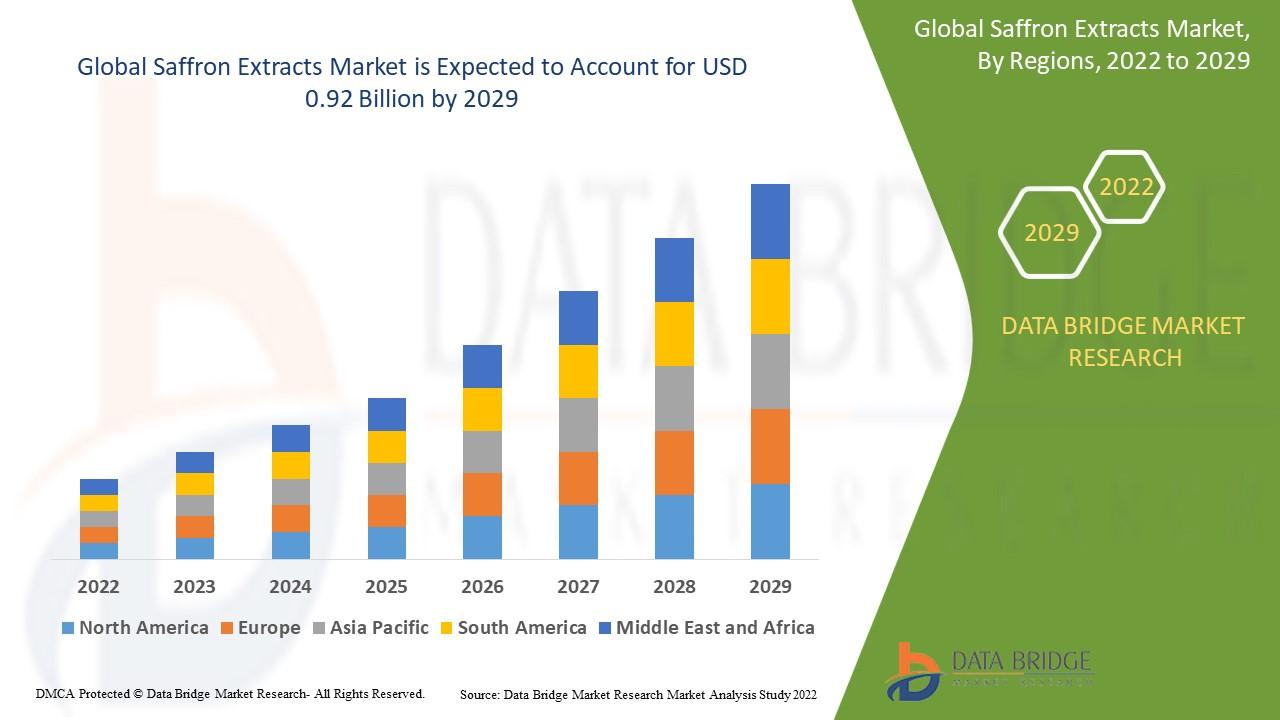
Executive Summary The Global Saffron Extracts Market is witnessing increasing traction as industries move toward natural, premium, and clean-label ingredients. Known as the “red gold,” saffron is one of the world’s most valuable spices, and its extract—derived through advanced techniques—offers concentrated benefits for food, nutraceutical,...
The evolution of the construction and industrial sectors has placed increasing emphasis on versatility, speed, and operational efficiency. Within this landscape, carry deck cranes have become a key solution for lifting and material handling in constrained spaces. Compact, mobile, and highly functional, these cranes can easily navigate tight job sites, warehouses, and industrial plants, making...

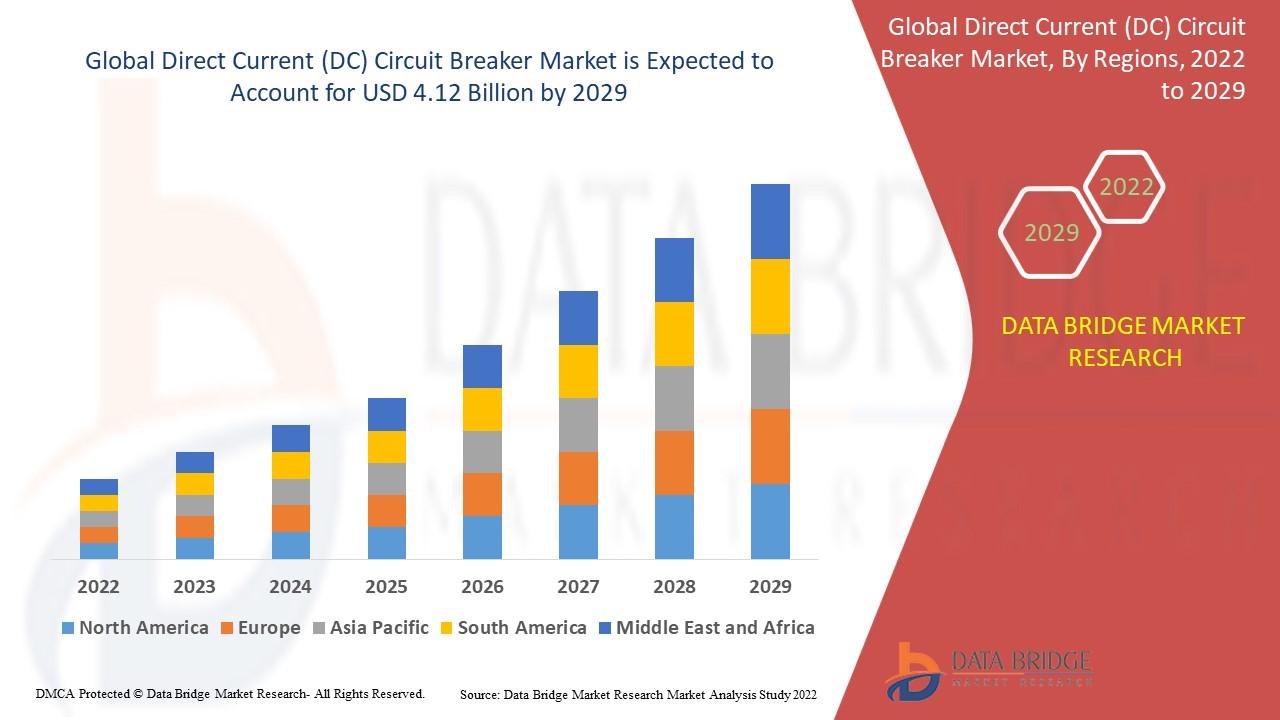
"What’s Fueling Executive Summary Direct Current (DC) Circuit Breaker Market Size and Share Growth Global direct current (DC) circuit breaker market size was valued at USD 3.12 billion in 2024 and is projected to reach USD 4.86 billion by 2032, with a CAGR of 5.7% during the forecast period of 2025 to 2032. Direct Current (DC) Circuit Breaker Market research report has been...
What Does the Global Flexible Paper Market Report Reveal About Industry Growth During 2026-2030? A new study by MarkNtel Advisors takes a deep look at The Global Flexible Paper Market size was valued at around USD 59.19 billion in 2024 and is projected to reach USD 72.88 billion by 2030. Along with this, the market is estimated to grow at a CAGR of around 3.53% during the forecast...

The white goods market, encompassing essential major domestic appliances, is entering a period of robust and transformative growth across the five key South Asian nations: Pakistan, Bangladesh, Sri Lanka, Bhutan, and Nepal. The white goods market was valued at USD 208.17 million in 2022 and is expected to reach USD 302.04 million by 2030, registering a CAGR of 6.40% during the forecast...