oXoo AI
Global Automotive Fasteners Market: Growth, Trends & Drivers Fueling Industry Surge (2025–2035)

As per MRFR analysis, the Automotive Fasteners Market is poised for robust expansion in the coming years, driven by rapid automotive production growth worldwide, evolving vehicle design standards, and increasing demand for lightweight, high-strength fastening solutions. In this blog, we explore the key growth dynamics, prevailing trends, and major drivers shaping the future of automotive fasteners, along with frequently asked questions to help industry stakeholders and enthusiasts understand what’s ahead.
📈 Market Growth: The Upswing in Demand
The global automotive fasteners market is experiencing accelerated growth as automakers ramp up production to meet rising vehicle demands — both for traditional internal combustion engine (ICE) vehicles and newer electric vehicles (EVs). With emerging economies posting higher automotive adoption rates, demand for standard and specialty fasteners — such as bolts, nuts, rivets, clips and studs — is rising steadily. Additionally, automakers’ shift toward lightweight materials (aluminum, high-strength steel, composites) for better fuel efficiency and emissions compliance is driving demand for advanced fasteners engineered to work with these materials.
Another growth catalyst is the resurgence of vehicle maintenance and aftermarket upgrades, especially in regions with older vehicle fleets. Replacement fasteners, custom upgrades, and retrofits add to the overall volume, expanding the market beyond just OEM (original equipment manufacturer) demand.
🔧 Key Market Drivers
1. Lightweighting and Fuel-Economy Regulations
As global emissions standards tighten and automakers strive for better fuel efficiency, vehicle manufacturers are increasingly adopting lightweight materials. These often require specialized fasteners — engineered for high strength, corrosion resistance, and compatibility with non-ferrous metals — driving demand for premium-quality fasteners.
2. Surge in Electric Vehicle (EV) Adoption
Electric vehicles often have different structural and assembly requirements compared to ICE vehicles. EV frame designs, battery enclosures, and lightweight body components require fasteners that ensure reliability under varied thermal and vibration conditions. The growth of EVs therefore drives need for high-performance, durable fastening solutions.
3. Automotive Production Growth & Replacement Demand
Rising automotive production in emerging economies, combined with increasing vehicle ownership, fuels demand for fasteners. Meanwhile, maintenance, repair, and customization activities for existing vehicles support aftermarket demand — contributing significantly to overall market growth.
4. Advances in Fastener Technology and Materials
Manufacturers are innovating fastener designs — including self-locking nuts, high-tensile bolts, anti-corrosion coatings, and hybrid fastener systems — to enhance durability and ease of assembly. These technological advances appeal to OEMs aiming for assembly line efficiency, lighter vehicle weight, and longer service life.
🔄 Emerging Trends Reshaping the Market
-
Modular Vehicle Design & Assembly Efficiency: Automakers increasingly adopt modular platforms to streamline production and cut costs. Modular design often requires standardized fasteners with quick installation and removal capabilities, driving demand for advanced fastening solutions.
-
Growth in Aftermarket Customization: With rising car modification and customization culture — from aftermarket body kits to performance upgrades — the aftermarket segment for fasteners is growing. Enthusiasts opting for custom parts, stronger suspension, or body work contribute to diverse fastener demand.
-
Corrosion Resistance & Long Life: In response to varying climates and road conditions worldwide, corrosion-resistant fasteners are gaining popularity. Particularly in regions with high humidity, salt exposure (coastal regions), and varied weather, demand for treated or stainless fasteners is growing.
-
Sustainability & Recycling Considerations: As environmental awareness rises, manufacturers are looking for fastener materials and coatings that reduce environmental impact, while still offering performance — adding impetus to innovation in eco-friendly fastener production.
🌍 Regional Dynamics and Market Outlook
The Asia-Pacific region — led by countries like China, India, and Southeast Asian nations — remains the fastest-growing consumer of automotive fasteners, driven by booming automotive production and rising vehicle ownership. Meanwhile, North America and Europe continue to demand high-performance and specialty fasteners due to stringent safety and emission standards, as well as increasing adoption of EVs.
Looking ahead to 2030, the market is expected to consolidate around suppliers that offer high-quality, innovative fasteners tailored for modern vehicles (lightweight, electric, modular). Suppliers who can combine material science expertise — e.g., high-tensile strength with corrosion resistance — and efficient manufacturing will likely dominate.
🔍 What Industry Stakeholders Should Watch
-
OEMs and Tier-1 suppliers must collaborate with fastener manufacturers early in the vehicle design phase to ensure compatibility and optimal performance.
-
Fastener producers should continue investing in R&D for materials and coatings to meet evolving demands of lightweighting, EVs, and corrosion resistance.
-
Aftermarket vendors should anticipate demand for specialty fasteners — including high-strength bolts and decorative fasteners — driven by customization trends.
Frequently Asked Questions (FAQ)
Q: What types of fasteners are seeing the highest demand in automotive applications?
A: High-tensile bolts, nuts, rivets, clips, and self-locking nuts are seeing strong demand — especially those compatible with lightweight metals and designed for high strength, corrosion resistance, and vibration resistance.
Q: How is the rise of electric vehicles influencing fastener requirements?
A: EVs often use lighter materials, modular battery packs, and tighter assembly tolerances, which require fasteners with superior strength, longevity, and ability to withstand thermal and vibration stress — driving demand for advanced fastener systems.
Q: Are aftermarket and customization trends significantly impacting fastener market growth?
A: Yes — increased interest in vehicle customization, performance upgrades, and maintenance of older fleets is boosting demand for replacement and specialty fasteners, contributing substantially to overall market growth.
Categories
Read More
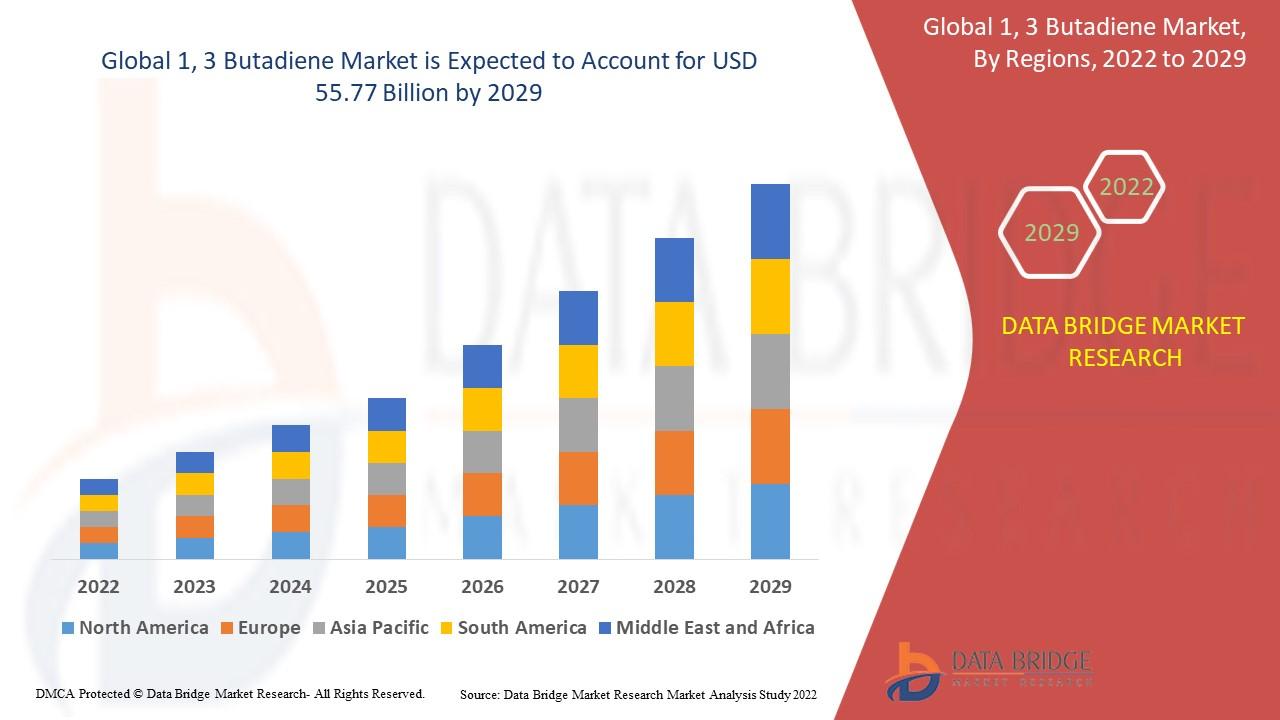
Detailed Analysis of Executive Summary 1, 3 Butadiene Market Size and Share CAGR Value Data Bridge Market Research analyses that the 1, 3 butadiene market was valued at USD 34.99 billion in 2021 and is expected to reach USD 55.77 billion by 2029, registering a CAGR of 6.00% during the forecast period of 2022 to 2029. In the universal 1, 3 Butadiene Market research report, global,...
"Executive Summary Sickle Cell Disease Market Size, Share, and Competitive Landscape Databridge Market Research dived into comprehensively analyzing the market and unveiled that the Global Sickle Cell Disease Market is increasing at a CAGR of 13.21%. Our detailed analysis forecasts that the market is valued at USD 2.79 billion in 2023 and is expected to grow upto USD 7.52 billion by 2031. An...

A new growth forecast report titled Digestive & Intestinal Remedies Market Size, Share, Trends, Industry Analysis Report: By Type, Age Group, Distribution Channel (Offline and Online), and Region (North America, Europe, Asia Pacific, Latin America, and Middle East & Africa) – Market Forecast, 2025–2034 introduced by Polaris Market Research represents conclusive...

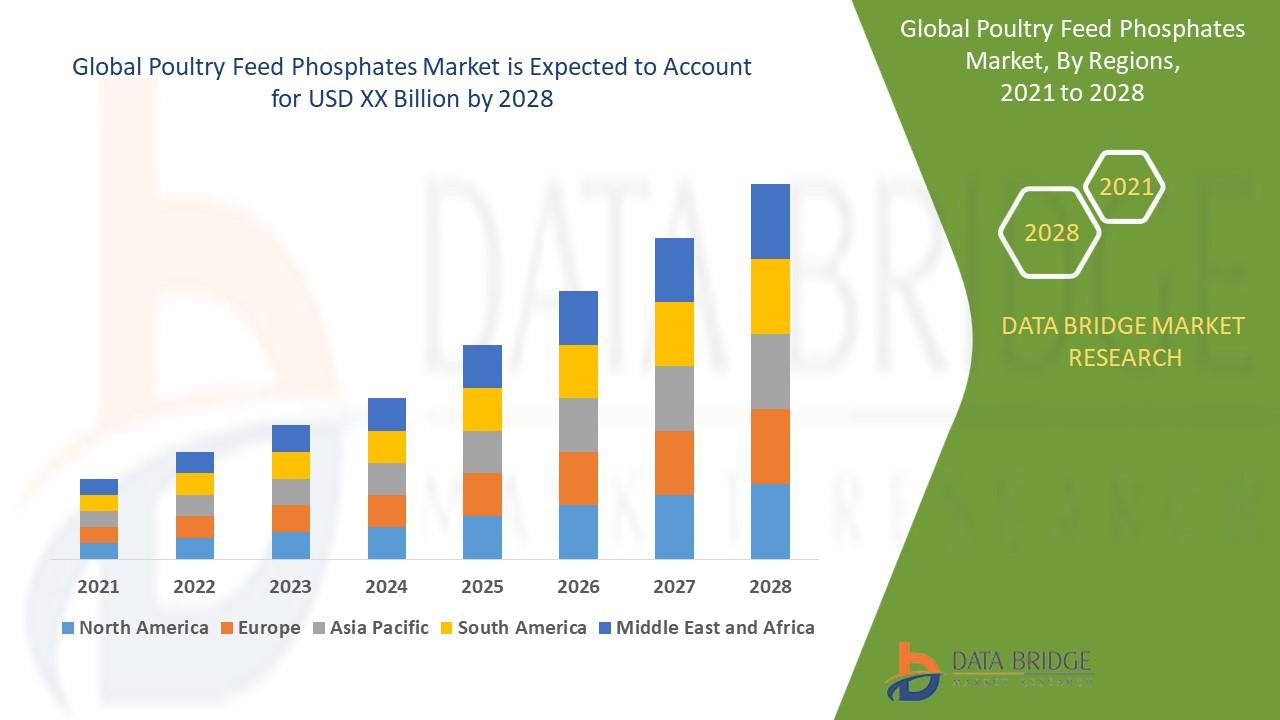
"Market Trends Shaping Executive Summary Poultry Feed Phosphates Market Size and Share CAGR Value Poultry feed phosphates market is expected to grow at a rate of 4.10% in the forecast period 2021 to 2028. Increasing consumption of meat and dairy products which will likely to act as a factor for the poultry feed phosphates market in the forecast period of 2021- 2028. The Poultry...
"Competitive Analysis of Executive Summary Traumatic Brain Injury Treatment Market Size and Share CAGR Value The global traumatic brain injury treatment market was valued at USD 3.67 billion in 2024 and is expected to reach USD 6.13 billion by 2032. During the forecast period of 2025 to 2032 the market is likely to grow at a CAGR of...