oXoo AI
An Industry of Minds: The Structure of the Modern Edtech Industry

To fully comprehend the digital transformation of education, it is essential to understand the intricate and dynamic structure of the Edtech Industry. This is not a simple industry of software companies; it is a complex, multi-layered ecosystem where traditional publishers, major technology corporations, university partners, and thousands of startups all collaborate and compete. This industry sits at the critical intersection of pedagogy, technology, content creation, and business. The interactions between these diverse players are what bring a digital learning experience to life, from the creation of the curriculum to the delivery of the software platform. Understanding the roles and relationships within this new industrial structure is key to appreciating how education is being unbundled, rebundled, and reimagined for the digital age, creating a more flexible and learner-centric global ecosystem.
At one end of the industry are the content creators and providers. This includes the traditional educational publishers, like Pearson and Cengage, who possess vast libraries of trusted curriculum content and are actively working to transition this content into digital and interactive formats. It also includes the universities and individual subject matter experts who partner with online platforms to create courses. In the modern edtech landscape, high-quality, engaging, and often credentialed content is a key source of value and differentiation. On the B2C side, individual creators and influencers have also become a significant part of the content ecosystem, building large audiences on platforms like YouTube and then monetizing their expertise through their own online courses or subscription services, further democratizing the creation and distribution of educational content.
In the middle of the industry structure are the technology platform providers. This is a diverse group that includes some of the biggest names in technology. The major cloud providers—AWS, Azure, and Google Cloud—provide the foundational infrastructure upon which most edtech applications are built. Tech giants like Google and Microsoft are also major players at the application layer with their free-to-use classroom management tools (Google Classroom) and collaboration suites (Microsoft 365 for Education). The Edtech Market is Estimated to Reach USD 815.16 Billion By 2035, Growing at a CAGR of 15.50% During 2025 - 2035. A massive portion of this market is made up of the pure-play edtech platform companies. This includes the Learning Management System (LMS) providers that serve schools and universities, the MOOC platforms like Coursera that connect learners with university content, and the B2C app developers like Duolingo. These platforms are the digital glue that connects content with learners.
The entire edtech industry is fueled and shaped by the investment and policy layer. This includes the venture capital firms that have poured tens of billions of dollars into edtech startups, providing the capital needed for innovation and growth. It also includes the government bodies and philanthropic foundations that set educational policy, provide funding for technology in schools, and influence curriculum standards. Regulatory bodies also play a crucial role, particularly in areas like student data privacy (enforcing laws like FERPA in the US) and the accreditation of online degrees, which is essential for establishing the legitimacy and value of digital credentials. This complex interplay between private investment, public policy, and regulatory oversight creates the framework within which the edtech industry operates and evolves.
Explore Our Latest Trending Reports:
Categorias
Leia Mais
The Virtual Desktop Market Trends are shaping the way organizations adopt flexible and secure computing environments. With increasing demand for VDI solution and remote desktop environment technologies, businesses are transitioning to cloud desktop platforms and virtual workstations to support distributed workforces. The growth of enterprise desktop virtualization is enabling IT teams to...

Among the most dependable areas of healthcare investment stands the Medical Ultrasound Probe Market with in the medical device industry, with the greatest transformative capacity for expansion and innovation. A modern healthcare setup reflects advances in the equipment to enable quick treatments and pinpoint accuracy in results. The Medical Ultrasound Probe Market shall see a 3.5% from 2024 to...

When it comes to enhancing product presentation and protection, POF Shrink Film stands out as a superior packaging choice. Its clarity, flexibility, and strength make it an essential solution for businesses aiming to improve both visual appeal and durability in wrapping. At JTpackage, innovative materials and precise manufacturing deliver a balance between performance and efficiency,...

The Big Data Analytics In Manufacturing Market analysis provides invaluable insights into how manufacturing enterprises are leveraging big data to transform operations. With the rise of smart factories and IoT-enabled devices, data-driven decision-making has become a critical factor for operational efficiency and competitiveness in the manufacturing sector. Predictive maintenance,...

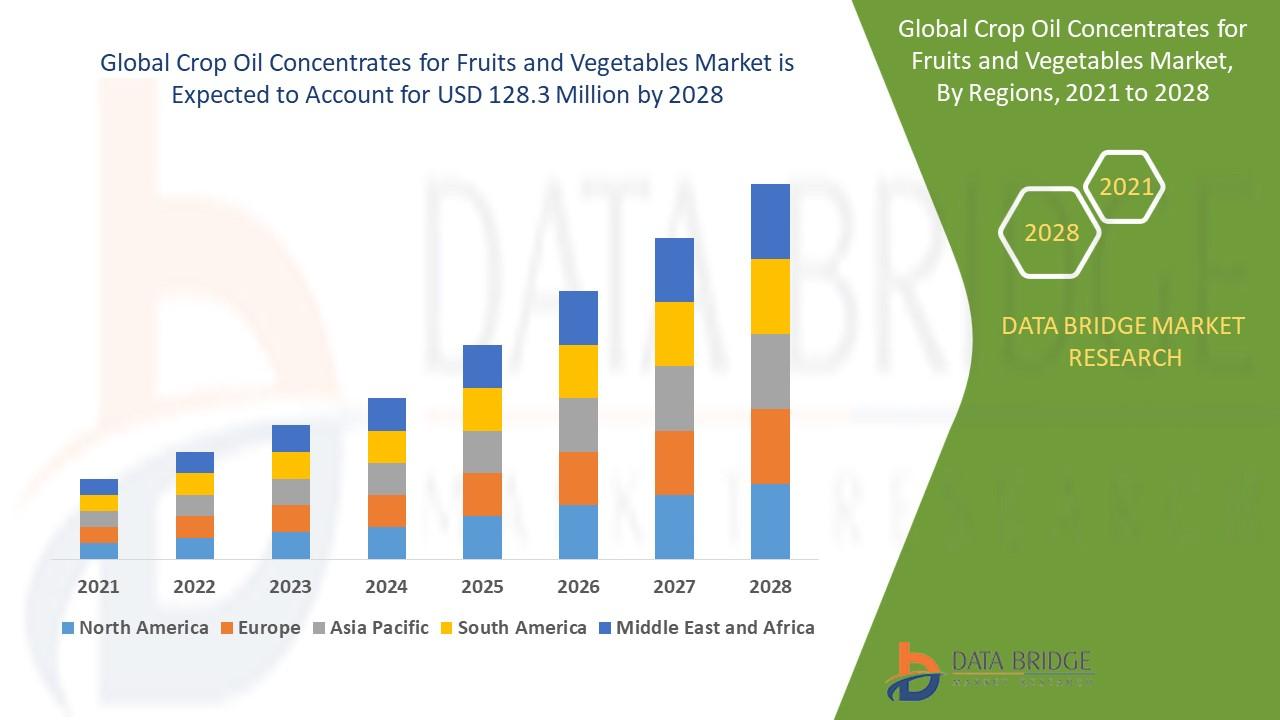
1. Introduction The global Crop Oil Concentrates (COCs) for Fruits and Vegetables Market is gaining significant attention as the agricultural sector increasingly seeks efficient, sustainable, and cost-effective solutions to enhance crop protection. Crop oil concentrates are specialized adjuvants that improve the performance of herbicides, insecticides, fungicides, and foliar nutrients...