oXoo AI
The Asia-Pacific Automotive Logistics Market: Navigating Growth, Electrification, and the Supply Chain Revolution
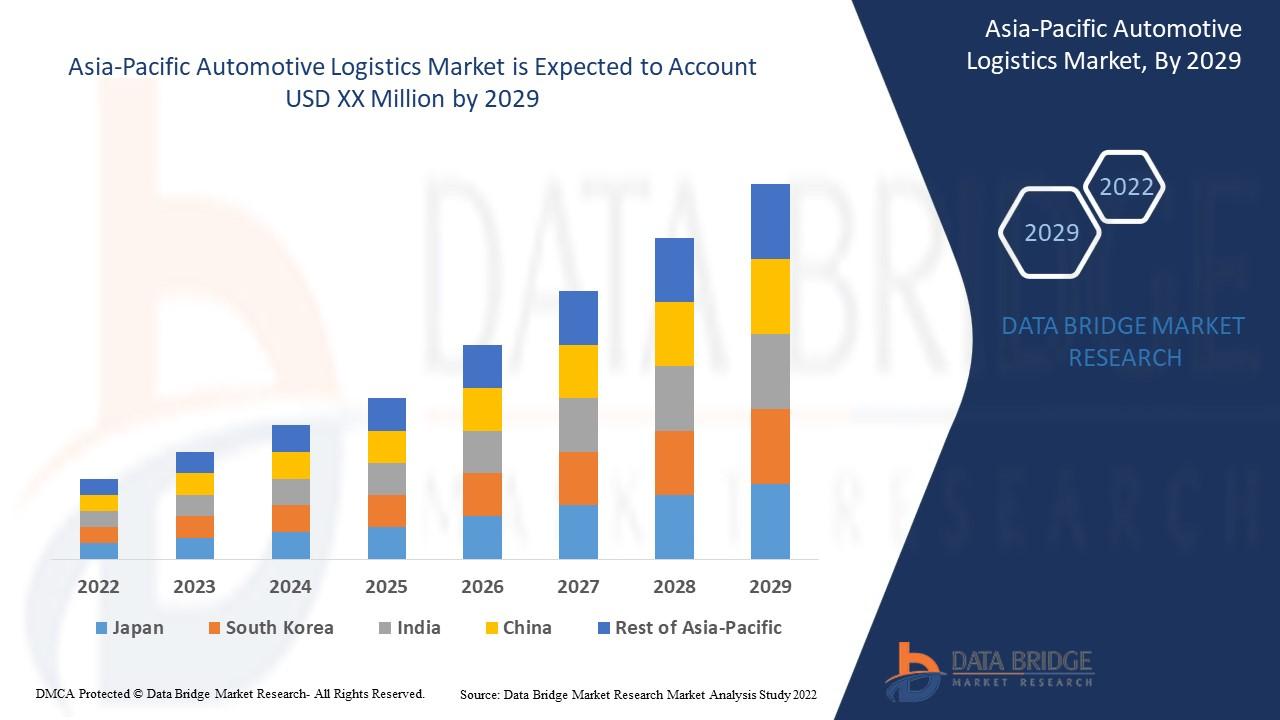
The Asia-Pacific Automotive Logistics Market is currently experiencing unprecedented growth, driven by a surge in regional vehicle production, the rapid adoption of Electric Vehicles (EVs), and transformative technological integration.
Data Bridge Market Research analyses that the automotive logistics market would exhibit a CAGR of 7.4% for the forecast period of 2022 to 2029.
Valued at over USD 307 billion in 2025, this market is forecasted to witness significant expansion, projecting a Compound Annual Growth Rate (CAGR) greater than 6.5% over the 2025-2030 period. This strong growth trajectory is fueled by major opportunities in green logistics and the digitalization of the entire supply chain, positioning the APAC region as the global nerve center for automotive manufacturing and distribution. Key industry drivers include rising consumer demand, supportive government policies, and crucial investments in next-generation logistics infrastructure.
Market Overview
The automotive logistics sector encompasses the entire movement chain for the automotive industry, from raw materials and component delivery (inbound logistics) to the distribution of finished vehicles (outbound logistics) and after-sales support (aftermarket logistics). The Asia-Pacific region, home to major manufacturing powerhouses like China, India, Japan, and South Korea, dominates the global market, accounting for a significant market share. The sheer scale of vehicle production—particularly in China, which leads the global automotive output—generates massive, consistent demand for sophisticated, just-in-time (JIT) and just-in-sequence (JIS) logistics services.
Market Size & Market Share Analysis
In terms of market size, the Asia-Pacific segment is expected to reach an estimated valuation of over USD 420 billion by 2030, underscoring its pivotal role in the global automotive industry. This robust forecast confirms APAC’s dominant market share on the world stage. China is the key market, leading the regional share due to its massive domestic sales volume and status as a primary manufacturing hub. However, emerging economies like India are projected to exhibit the highest CAGR growth, driven by manufacturing incentives and a rapidly expanding middle-class consumer base with increasing purchasing power.
Evaluate the company’s influence on the market :
https://www.databridgemarketresearch.com/reports/asia-pacific-automotive-logistics-market
Growth Trends & Key Market Drivers
The automotive logistics market growth is being propelled by several powerful, interconnected forces that redefine supply chain dynamics.
Electric Vehicle (EV) Transition & Demand Analysis
The shift to Electric Vehicles is a primary growth trend. APAC leads the global electrified vehicle market, generating unique demand analysis for specialized logistics. EV batteries, being high-value, temperature-sensitive, and classified as hazardous materials, require specialized handling, warehousing, and transportation, boosting the need for premium, high-security logistics solutions. This shift necessitates new infrastructure investments, from bespoke battery storage facilities to specialized vehicle carriers for finished EVs.
Digital Transformation and Automation
The adoption of advanced technologies is a critical market driver. Logistics providers are heavily investing in digital solutions such as:
-
Internet of Things (IoT) Sensors: For real-time tracking, enhanced visibility, and predictive maintenance of fleets.
-
Artificial Intelligence (AI) and Machine Learning (ML): To optimize route planning, improve warehouse management systems (WMS), and forecast demand more accurately.
-
Blockchain Technology: For improved supply chain transparency and enhanced security in cross-border trade.
These technologies enhance operational efficiency, reduce lead times, and are essential for managing the increasing complexity of global supply chains.
Favorable Government Policies and Infrastructure Investment
Governments across the region are actively promoting the automotive sector through Production-Linked Incentive (PLI) schemes (e.g., in India) and strategic investments in multimodal transportation networks. Initiatives like the development of economic corridors and integrated logistics platforms lower transportation costs and streamline cross-border movement, providing a solid foundation for market expansion.
Segment Analysis
The Asia-Pacific Automotive Logistics Market is typically segmented based on the service type, sector, and type of logistics involved.
By Service Type: Transportation Dominance
-
Transportation (Largest Segment): This segment holds the largest market share, accounting for the majority of the logistics expenditure. It includes various modes like roadways, railways, maritime, and airways. The road transportation sub-segment remains dominant due to its flexibility for last-mile and domestic distribution, especially in large countries like China and India.
-
Warehousing & Handling (Fastest Growing Segment): This segment is projected to show the highest CAGR. The proliferation of JIT manufacturing, the need for specialized EV component storage, and the growing complexity of the aftermarket demand sophisticated, automated, and larger warehousing and storage facilities.
By Sector: Components vs. Finished Vehicles
-
Components: This segment traditionally dominates the demand analysis, driven by the continuous flow of raw materials and parts required for assembly (inbound logistics).
-
Finished Vehicles: This segment is rapidly growing, spurred by increasing vehicle sales and exports, particularly for new EV models and premium vehicles, which require specialized and secure carriers (outbound logistics).
By Type: Insourcing vs. Outsourcing (3PL)
While Insourcing has historically held a larger share, the Outsourcing or Third-Party Logistics (3PL) segment is projected to register a higher CAGR growth. Automobile manufacturers are increasingly partnering with specialized 3PL providers (like DHL, DB Schenker, and CEVA Logistics) to leverage their expertise, global networks, and advanced technology investments, enabling a focus on core manufacturing competencies.
Competitive Landscape & Key Players
The competitive landscape in the Asia-Pacific automotive logistics market is dynamic and characterized by both large international 3PL giants and strong regional players. Key players are focusing on strategic initiatives to solidify their market positioning and secure future growth.
Major players dominating the market include DB Schenker, DHL International GmbH, CEVA Logistics, DSV A/S, and GEODIS.
Strategic Thrusts:
-
Technology Integration: Companies are emphasizing the use of AI, IoT, and control tower systems to offer end-to-end visibility and real-time tracking—a critical competitive differentiator.
-
Sustainability and Green Logistics: Driven by OEM pressure and governmental mandates, key players are investing in electric logistics fleets, optimizing routes for fuel efficiency, and implementing carbon-neutral warehousing solutions to build a sustainable competitive advantage.
-
Geographic Expansion and Partnerships: International firms are deepening their footprint in high-growth markets like India, Vietnam, and Indonesia through new office openings and strategic partnerships with local logistics providers to enhance last-mile delivery capabilities and navigate complex local regulations.
Regional Insights
The regional performance is highly varied, reflecting the diverse economic and infrastructural maturity across the continent.
-
China (Dominant Market): Maintains the largest market share and remains the primary automotive manufacturing and sales base, driving immense logistics volume.
-
India (Highest CAGR): Projected to record the fastest CAGR growth, fueled by strong domestic demand, favorable PLI schemes, and aggressive infrastructure development.
-
Japan & South Korea (Technology Leaders): These mature markets drive demand for sophisticated and highly automated logistics solutions, focusing on high-value and complex component logistics, especially for advanced hybrid and electric vehicle technologies.
-
ASEAN (Emerging Hub): Countries like Thailand and Vietnam are strategically important due to their growing roles as manufacturing and assembly hubs, boosting demand for cross-border and multimodal logistics solutions, supported by trade agreements like the RCEP.
Future Outlook & Forecast to 2030
The Asia-Pacific Automotive Logistics Market is set for a robust and transformative growth period through forecast to 2030. The industry will be fundamentally reshaped by the twin forces of electrification and digitalization. We anticipate a continued high CAGR fueled by increasing vehicle output, particularly in the EV segment, and the growing preference for outsourced, integrated 3PL solutions. The primary opportunities lie in developing specialized EV battery logistics networks, implementing end-to-end digital supply chain platforms, and establishing fully sustainable logistics practices. The market’s future success hinges on the ability of logistics providers to adapt quickly to these technological and structural changes while managing the complexities of a fragmented, multi-country supply chain.
Browse More Reports:
Global Horticulture Lighting Market
Global Polyvinyl Chloride (PVC) Compound Market
Global Dental Chairs Market
Global Makeup Remover Market
Global Taurine Market
Global Database Security Market
Global Corrugated Packaging Market
Global Small Wind Market
Global Caffeine Supplements Market
Global Locomotive Market
Global Molecular Breeding Market
Middle East and Africa White Goods Market
North America White Goods Market
Europe Unmanned Surface Vehicle (USV) Market
Middle East and Africa Treasury Software Market
About Data Bridge Market Research:
An absolute way to forecast what the future holds is to comprehend the trend today!
Data Bridge Market Research set forth itself as an unconventional and neoteric market research and consulting firm with an unparalleled level of resilience and integrated approaches. We are determined to unearth the best market opportunities and foster efficient information for your business to thrive in the market. Data Bridge endeavors to provide appropriate solutions to the complex business challenges and initiates an effortless decision-making process. Data Bridge is an aftermath of sheer wisdom and experience which was formulated and framed in the year 2015 in Pune.
Contact Us:
Data Bridge Market Research
US: +1 614 591 3140
UK: +44 845 154 9652
APAC : +653 1251 975
Email:- corporatesales@databridgemarketresearch.com
"
People Also Ask (FAQ)
What is the projected market size of the Asia-Pacific Automotive Logistics Market by 2030?
The market is forecasted to reach a valuation of over USD 420 billion by 2030, reflecting strong growth driven by regional vehicle production and consumption.
What is the Compound Annual Growth Rate (CAGR) expected for the APAC Automotive Logistics Market?
The market is expected to exhibit a CAGR of greater than 6.5% during the forecast period of 2025 to 2030.
Which country holds the largest market share in Asia-Pacific Automotive Logistics?
China currently holds the largest market share, primarily due to its position as the world's leading automotive producer and consumer market.
What are the main growth factors driving the demand analysis for automotive logistics in APAC?
The key growth drivers are the surging demand for Electric Vehicles (EVs), large-scale governmental investments in logistics infrastructure, and the widespread adoption of advanced technologies like IoT and AI in supply chain management.
Which segment is growing fastest in the Asia-Pacific Automotive Logistics market?
The Warehousing & Handling segment is expected to register the highest CAGR, driven by the complex storage requirements for EV components and the rising adoption of sophisticated, automated warehouse systems.
Who are the key players in the Asia-Pacific Automotive Logistics competitive landscape?
Major international and regional key players include DHL International GmbH, DB Schenker, CEVA Logistics, DSV A/S, and GEODIS, among others.
Categorii
Citeste mai mult
The IoT Solutions and Service Market overview presents a clear picture of a rapidly expanding ecosystem powered by connected technologies. IoT has emerged as one of the most transformative forces in the modern economy, bridging the gap between the physical and digital worlds. The Global IoT Solutions and Service Market is projected to grow significantly from USD 520.97 Billion in 2024 to...

Among the most dependable areas of healthcare investment stands the global US Molecular Diagnostics market within the medical device industry, with the greatest transformative capacity for expansion and innovation. A modern healthcare setup reflects advances in the equipment to enable quick treatments and pinpoint accuracy in results. The global US Molecular...
Executive Summary Premium Chocolate Market Size and Share Across Top Segments CAGR Value The global premium chocolate market was valued at USD 41.61 billion in 2024 and is expected to reach USD 58.28 billion by 2032 Premium Chocolate Market report has reviews about key players in the market, major collaborations, merger and acquisitions along with trending innovation...
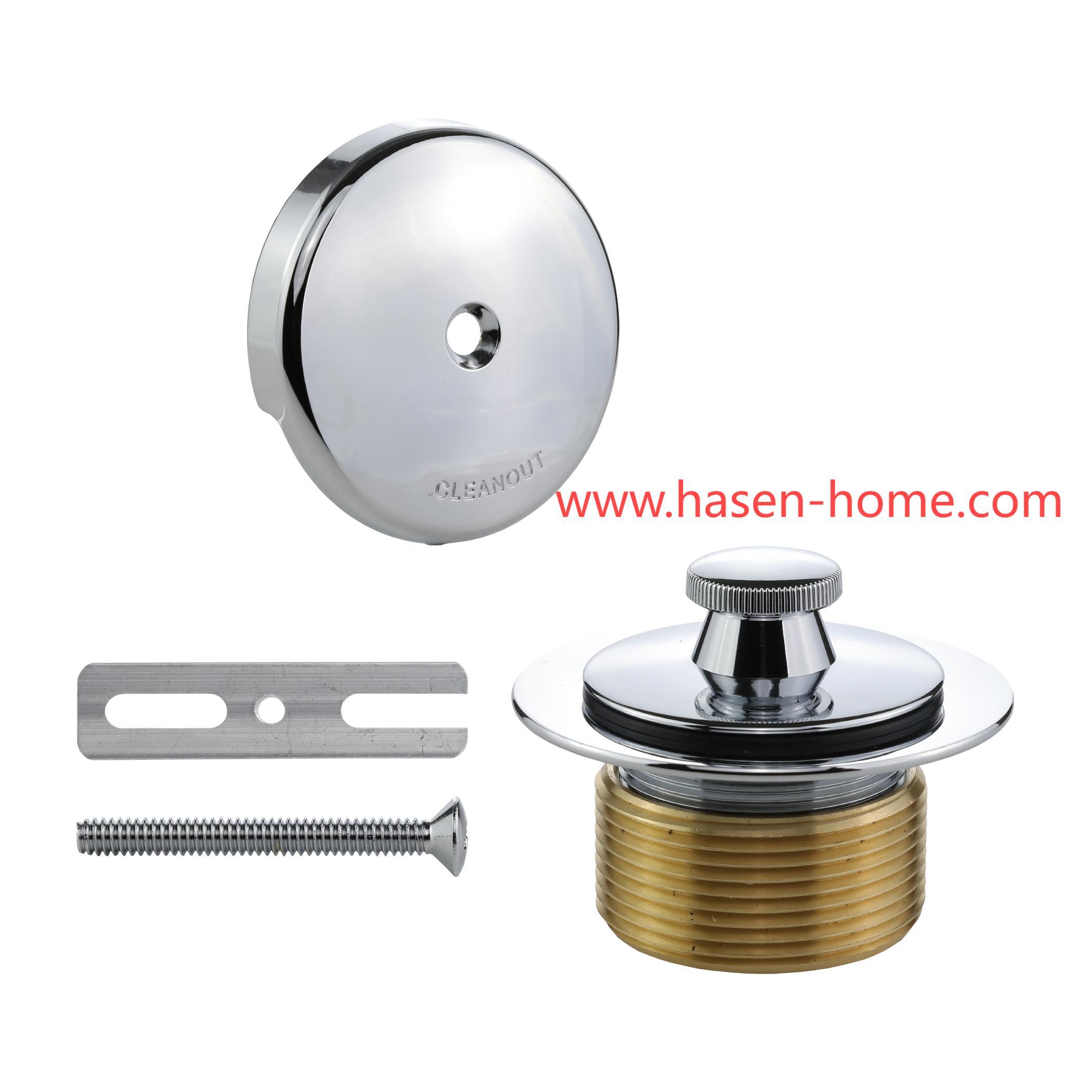
The Shower Drain Kit Factory from hasen-home demonstrates how essential infrastructure can embody both functionality and elegance. Modern bathroom design emphasizes harmony, cleanliness, and subtle aesthetics. High-quality drain kits integrate multiple components into a single system, ensuring efficient water management while enhancing the overall visual appeal. Every element, from frames to...
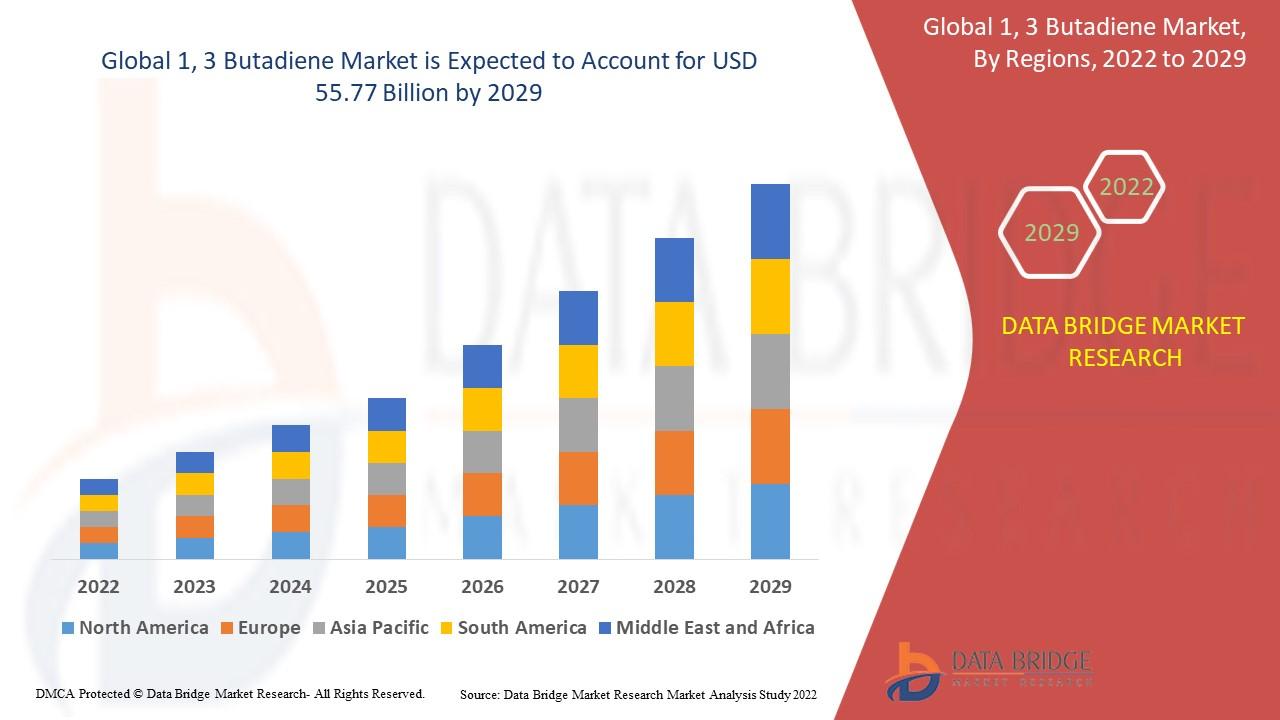
Detailed Analysis of Executive Summary 1, 3 Butadiene Market Size and Share CAGR Value Data Bridge Market Research analyses that the 1, 3 butadiene market was valued at USD 34.99 billion in 2021 and is expected to reach USD 55.77 billion by 2029, registering a CAGR of 6.00% during the forecast period of 2022 to 2029. In the universal 1, 3 Butadiene Market research report, global,...