oXoo AI
A Strategic Deep Dive: The Global Smart Toys Market Analysis

For toy manufacturers, technology companies, retailers, and investors looking to capitalize on the new era of play, a comprehensive Smart Toys Market Analysis is an indispensable strategic tool. This deep-dive analysis goes beyond surface-level trends to dissect the fundamental forces that shape the industry's competitive structure, profitability, and future trajectory. By applying established analytical frameworks like SWOT and Porter's Five Forces, stakeholders can develop a nuanced understanding of the market's internal strengths and weaknesses, as well as the external opportunities and threats it faces. This rigorous examination provides the critical intelligence needed to formulate effective product strategies, identify promising investment opportunities, and anticipate competitive moves. In a market characterized by rapid technological innovation and shifting consumer preferences, a robust analysis is the compass that guides sound strategic decision-making in the dynamic world of connected play.
A SWOT analysis of the smart toys market reveals a compelling but complex picture. The primary Strengths lie in the high level of engagement and personalization these toys offer, as well as their significant educational value, which strongly appeals to modern parents. A key Weakness is the higher price point compared to traditional toys, which can be a barrier to mass-market adoption, along with the persistent concerns around data privacy and security. The Opportunities are vast, driven by advancements in AI and voice recognition which can create more natural interactions, the potential to create subscription-based content models for recurring revenue, and the massive, untapped potential in emerging markets. The Smart Toys Market is Estimated to Reach a Valuation from USD 41.8 Billion to USD 380.33 Billion by 2035, Growing at a CAGR of 24.71% During 2025 - 2035. Threats primarily arise from the rapid pace of technological obsolescence, intense competition from other forms of digital entertainment like video games and tablets, and the risk of negative publicity from a major security breach.
Applying Porter's Five Forces model further clarifies the market's competitive dynamics. The rivalry among existing competitors is high, with traditional toy giants, consumer electronics companies, and a host of startups all vying for children's attention and parents' dollars. The threat of new entrants is moderate; while the technology is becoming more accessible, building a strong brand, navigating complex toy safety regulations, and establishing distribution channels are significant hurdles. The bargaining power of buyers (parents and children) is high, as they have a vast array of entertainment options to choose from, forcing companies to compete on price, features, and play value. The bargaining power of suppliers, such as the manufacturers of microchips and sensors, is moderate and can fluctuate based on global supply chain dynamics. Finally, the threat of substitute products is very high, with tablets, smartphones, and video game consoles being the primary competitors for a child's screen time and playtime.
A PESTLE analysis provides a broader macro-environmental context for the market's development. Politically, government regulations concerning children's data privacy (like COPPA in the U.S.) and toy safety standards are major factors. Economically, disposable household income and overall consumer confidence directly impact spending on higher-priced items like smart toys. Socially, the increasing parental emphasis on STEM education and the growing screen time debate are powerful forces influencing purchasing decisions. Technologically, the relentless pace of innovation in areas like AI, connectivity, and battery life is the core engine of the entire market. Legally, intellectual property rights and patent law are crucial for protecting unique toy designs and software. Environmentally, there is growing pressure on manufacturers to use sustainable materials and create more eco-friendly packaging, a trend that is becoming increasingly important to conscientious consumers.
Explore Our Latest Trending Reports:
Categorii
Citeste mai mult
Among the most dependable areas of healthcare investment stands the global US Molecular Diagnostics market within the medical device industry, with the greatest transformative capacity for expansion and innovation. A modern healthcare setup reflects advances in the equipment to enable quick treatments and pinpoint accuracy in results. The global US Molecular...

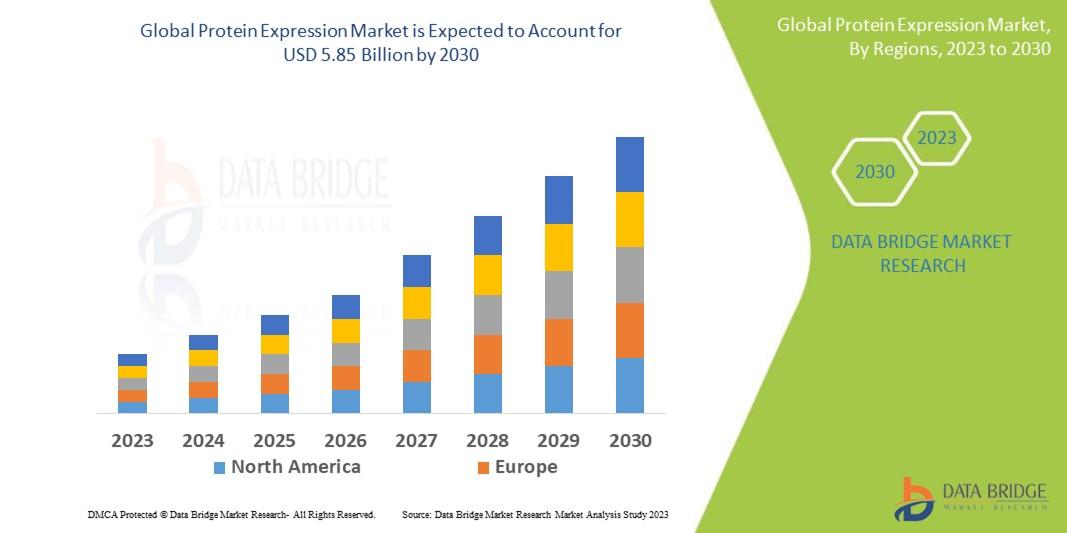
"Regional Overview of Executive Summary Protein Expression Market by Size and Share Data Bridge Market Research analyses that the protein expression market which is USD 2.50 billion in 2022, is expected to reach USD 5.85 billion by 2030, at a CAGR of 11.2% during the forecast period 2023 to 2030. A consistent market research report like Protein Expression Market report extends reach...
"Transforming the Narrative of Automotive Interior Market As per Market Research Future Analysis, the Automotive Interior Market is projected to reach USD 168,532.55 Million by 2035, growing at a CAGR of 5.5%. The industry overview includes analysis of size, share, and key segments. Across industries, the demand for smarter solutions and more agile processes has grown rapidly—and at the...

Latest Insights on Executive Summary Above Ground Pools Market Share and Size CAGR Value The global above ground pools market size was valued at USD 3.26 billion in 2024 and is expected to reach USD 4.86 billion by 2032, at a CAGR of 5.10% during the forecast period The market growth is largely fuelled by the rising demand for cost-effective and...
The competitive landscape that defines the Software Market Share is a fascinating and complex tapestry, woven from the threads of long-standing monopolies, fierce oligopolistic rivalries, and a vibrant, constantly churning ecosystem of innovative startups. On one hand, the market is heavily consolidated, with a significant portion of global revenue captured by a handful of technology...