oXoo AI
Shrimp Food Market: Enhancing Nutrition, Sustainability, and Efficiency in Aquaculture
The shrimp food market is expanding rapidly as aquaculture producers focus on high-quality nutrition, sustainable farming practices, and efficient feed formulations. Rising demand for shrimp in food processing, exports, and domestic consumption continues to drive advancements in feed technology.
Growth in global aquaculture production and increasing focus on disease-resistant, nutrient-rich feed solutions are reshaping this dynamic industry.
"Get a full overview of market dynamics, forecasts, and trends. Download the complete Display Market report:" https://www.databridgemarketresearch.com/reports/global-shrimp-food-market
Introduction
The Shrimp Food Market plays a critical role in supporting the global aquaculture sector, one of the fastest-growing elements of the seafood industry. As demand for shrimp continues to surge across food service, retail, and international export channels, the importance of specialized, high-quality feed has increased significantly. Shrimp feed formulations are essential for ensuring healthy growth, improved immune response, higher survival rates, and overall farm productivity.
With growing concerns around environmental sustainability, disease outbreaks, and the need to improve feed conversion ratios (FCR), manufacturers are investing heavily in nutrient optimization and innovative feed production technologies. This report explores key market aspects, including segmentation, drivers, challenges, regional trends, competitive landscape, and forecasts that highlight the evolving nature of the shrimp food market.
Market Definition and Segmentation
The Shrimp Food Market consists of formulated feed solutions used for various species of farmed shrimp, including whiteleg shrimp (Litopenaeus vannamei), tiger shrimp (Penaeus monodon), and freshwater varieties. This includes feed designed for different life stages such as larvae, post-larvae, juveniles, and adult shrimp.
1. By Product Type
-
Starter Feed – For early development, focusing on immune strength and growth.
-
Grower Feed – Essential for weight gain and balanced nutrition.
-
Finisher Feed – Supports maximum size, texture, and quality before harvest.
-
Supplemental Feed – Includes probiotics, vitamins, mineral premixes, and aqua additives.
2. By Ingredients
-
Plant-Based Proteins (soybean meal, corn gluten meal)
-
Animal-Based Proteins (fishmeal, shrimp meal, krill meal)
-
Additives (enzymes, amino acids, antioxidants, probiotics)
3. By Feed Form
-
Pellets
-
Crumbles
-
Powder Feed (mainly for larvae)
4. By End-User
-
Commercial shrimp farms
-
Hatcheries
-
Research institutions
-
Aquaculture training centers
5. By Geography
-
North America
-
Europe
-
Asia-Pacific
-
Middle East & Africa
-
South America
Each segment contributes uniquely to creating a well-rounded and competitive shrimp food sector.
Market Dynamics
Drivers
1. Rising Demand for Shrimp Across Food Industries
Shrimp is one of the most consumed seafood products globally due to its versatility, nutritional value, and rising preference in packaged and processed foods.
2. Growth of Aquaculture Production
With wild shrimp resources declining, aquaculture has become the primary method for meeting demand. This increases the need for efficient shrimp feed solutions.
3. Advancements in Feed Formulation
Innovations such as enzyme-enhanced diets, probiotics, and sustainable protein alternatives are boosting feed performance and shrimp health.
4. Improving Farm Efficiency
Farmers aim to improve feed conversion ratios, reduce waste, and increase yield—key factors driving demand for advanced shrimp food.
Restraints
1. High Cost of Premium Ingredients
Fishmeal and other high-quality protein sources are expensive, making premium shrimp feed costly.
2. Disease and Biosecurity Issues
Shrimp farming is highly susceptible to diseases such as EMS (Early Mortality Syndrome), which affects feed efficiency and farm profitability.
3. Environmental Concerns
Improper feed usage can contribute to water pollution, prompting stricter regulations on feed quality.
Opportunities
1. Adoption of Sustainable Protein Alternatives
The market is shifting toward plant-based proteins, insect meal, and algae-based ingredients to reduce environmental impact and production cost.
2. Expansion of Shrimp Farming in Emerging Markets
Countries in Africa, Southeast Asia, and South America are investing heavily in aquaculture, creating new feed demand.
3. Technological Integration in Feed Production
Automation, precision feeding, and AI-based monitoring can significantly improve feed management and reduce waste.
4. Health-Focused Feed Additives
Probiotics, immune boosters, and functional ingredients are gaining popularity as farmers prioritize shrimp welfare.
Challenges
1. Volatile Raw Material Prices
Fluctuations in fishmeal, soybean, and wheat prices affect feed production costs.
2. Strict Regulatory Environment
Compliance with feed safety, sustainability, and environmental standards can increase operational complexity.
3. Competition from Local Feed Manufacturers
Low-cost regional producers create pricing pressure for international brands.
Market Trends and Innovations
1. Probiotic-Enhanced Shrimp Feed
These formulations support gut health, immunity, and disease resistance without relying on antibiotics.
2. Use of Algae and Insect Proteins
Alternative proteins are becoming mainstream due to sustainability and high nutritional value.
2. Precision Aquaculture
Smart feeding systems, sensors, and automated feeders optimize feed distribution and growth efficiency.
4. Functional Feed for Stress and Disease Management
Targeted feed formulations help reduce mortality rates and enhance resilience against temperature fluctuations.
5. Organic and Antibiotic-Free Shrimp Feed
As consumers seek chemical-free seafood, organic feed formulations are gaining significant traction.
Competitive Landscape
The shrimp food market includes multinational feed producers, regional manufacturers, and specialty nutrition companies.
Competitive Strategies
-
Investment in new aquafeed plants
-
Development of sustainable and cost-effective protein alternatives
-
Partnerships with shrimp farms and hatcheries
-
Research into probiotics and functional feed additives
Generalized SWOT Analysis
Strengths:
-
Technological advancements in feed formulation
-
Diversified product ranges for different shrimp stages
-
Strong distribution networks
Weaknesses:
-
High dependency on volatile ingredient markets
-
Rising production costs
Opportunities:
-
Emerging aquaculture markets
-
Eco-friendly feed innovations
Threats:
-
Disease outbreaks reducing feed demand
-
Competitive pricing pressure from regional manufacturers
Regional Analysis
North America
-
Strong demand for premium shrimp and sustainable feed.
-
Adoption of advanced aquaculture systems enhances feed usage efficiency.
Europe
-
Focus on high-quality, sustainable, and organic feed solutions.
-
Growth in RAS (Recirculating Aquaculture Systems) drives innovation.
Asia-Pacific
-
Largest contributor to the shrimp food market, led by China, India, Vietnam, Thailand, and Indonesia.
-
Strong aquaculture infrastructure and increasing investment in intensive shrimp farming.
Middle East & Africa
-
Emerging market with rising interest in aquaculture as a food security solution.
-
Government initiatives support shrimp farming expansion.
South America
-
Brazil, Ecuador, and Peru show significant growth due to export-focused shrimp farming.
-
Strong focus on disease-resistant feed formulations.
Market Forecast
Over the next 5–10 years, the shrimp food market is expected to see strong growth due to:
-
Continued demand for shrimp as a premium protein source
-
Expanding aquaculture production capacity
-
Rising investments in sustainable feed technologies
-
Increased adoption of probiotics, enzymes, and functional additives
-
Innovations in precision feeding and automated farm systems
Global trends in sustainability, resource optimization, and eco-friendly protein sourcing will play a crucial role in shaping future product development and market direction.
Impact of COVID-19
The pandemic initially disrupted supply chains and shrimp exports, impacting feed demand. However, aquaculture operations rapidly recovered due to sustained domestic consumption and the global shift toward home cooking. The crisis accelerated digitalization, remote farm monitoring, and adoption of efficient feed strategies to limit waste and reduce operational costs.
Conclusion
The Shrimp Food Market continues to evolve with advancements in feed technology, growing aquaculture operations, and a strong push toward sustainability. As demand for shrimp rises worldwide, feed manufacturers, farmers, and investors have significant opportunities to innovate and expand. Companies that prioritize environmental safety, cost-efficient protein sources, and improved feed performance will remain at the forefront of this rapidly developing industry.
FAQ
1. What is shrimp feed made of?
Shrimp feed typically includes fishmeal, plant-based proteins, fats, vitamins, minerals, and functional additives like probiotics.
2. Why is high-quality shrimp feed important?
It improves growth rate, immunity, survival, and overall farm productivity.
3. What challenges affect shrimp feed production?
Fluctuating raw material prices, disease outbreaks, and regulatory restrictions.
4. Which regions are leading shrimp feed production?
Asia-Pacific dominates due to extensive shrimp farming operations.
5. How is technology transforming shrimp feeding?
Precision aquaculture, automated feeders, and AI-based monitoring optimize feeding efficiency.
6. Are sustainable shrimp feed options available?
Yes, manufacturers are adopting algae proteins, insect meal, and plant-based formulas to reduce environmental impact.
About Data Bridge Market Research
An absolute way to forecast what the future holds is to comprehend the trend today!
Data Bridge Market Research set forth itself as an unconventional and neoteric market research and consulting firm with an unparalleled level of resilience and integrated approaches. We are determined to unearth the best market opportunities and foster efficient information for your business to thrive in the market. Data Bridge endeavors to provide appropriate solutions to the complex business challenges and initiates an effortless decision-making process. Data Bridge is an aftermath of sheer wisdom and experience which was formulated and framed in the year 2015 in Pune.
Browse More Reports:
Global Heat Sealing Bags Market
Global Hepatitis C Diagnosis and Treatment Market
Global Hexamethylenetetramine Market
Global High Content Screening Market
Global High Performance Inertial Sensing Market
Global High-Performance Trucks Market
Global High Strength Aluminum Alloys Market
Global Holograms Market
Global Hormone Replacement Therapy Market
Global Hospital Gowns Market
Global Hot Melt Construction Adhesive Market
Global Hydraulic Fracturing Dual-Engine Systems Market
Global Hydrocephalus Market
Global Hydrophobic Agents Market
Global Hydroponic Growth Medium and Nutrients Market
Contact Us:
Data Bridge Market Research
US: +1 614 591 3140
UK: +44 845 154 9652
APAC: +653 1251 975
Email: corporatesales@databridgemarketresearch.com
Catégories
Lire la suite
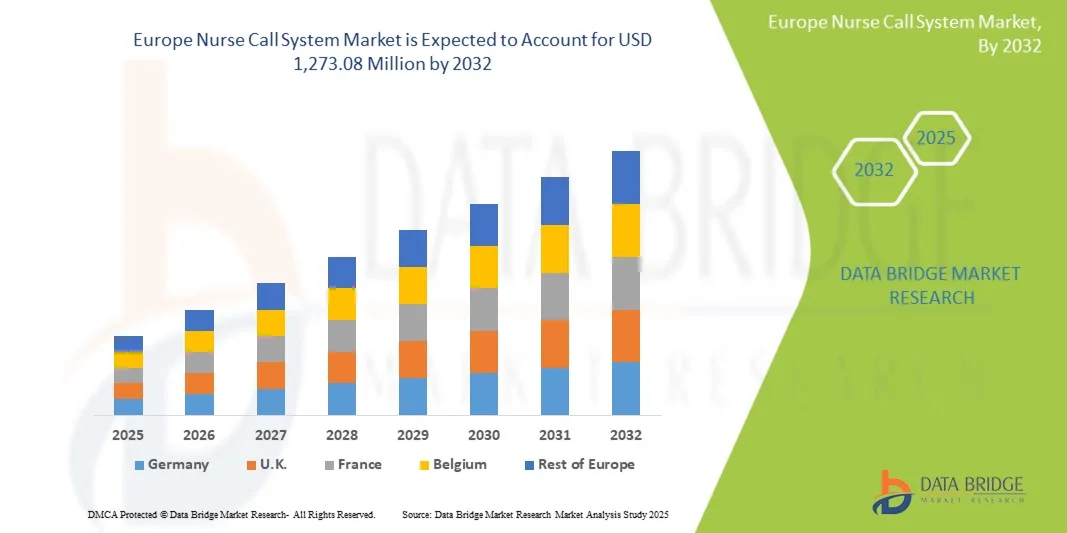
"In-Depth Study on Executive Summary Europe Nurse Call System Market Size and Share CAGR Value The Europe Nurse Call System Market size was valued at USD 612.51 million in 2024 and is expected to reach USD 1,273.08 million by 2032, at a CAGR of 9.8% during the forecast period. Europe Nurse Call System Market research report acts as a very significant...
The global methyl acetate industry is gaining momentum as demand from key end-use sectors continues to rise. Regional markets play a crucial role in shaping the overall trajectory of this solvent’s growth. While Asia-Pacific leads in production and consumption, other regions such as North America and Europe are emphasizing sustainability and process optimization. Understanding these...

The global Home Entertainment Audio-Video Content Market leads the nation's so-called 'renaissance', such that each industrial segment is endowed with well-efficient and networked solutions. IT infrastructure forms a necessity, ranging from cloud storage to cybersecurity. Based on market performance during 2025-2032, the sector experiences a CAGR of 0.5% from 2024 to 2031, whereas valuation...

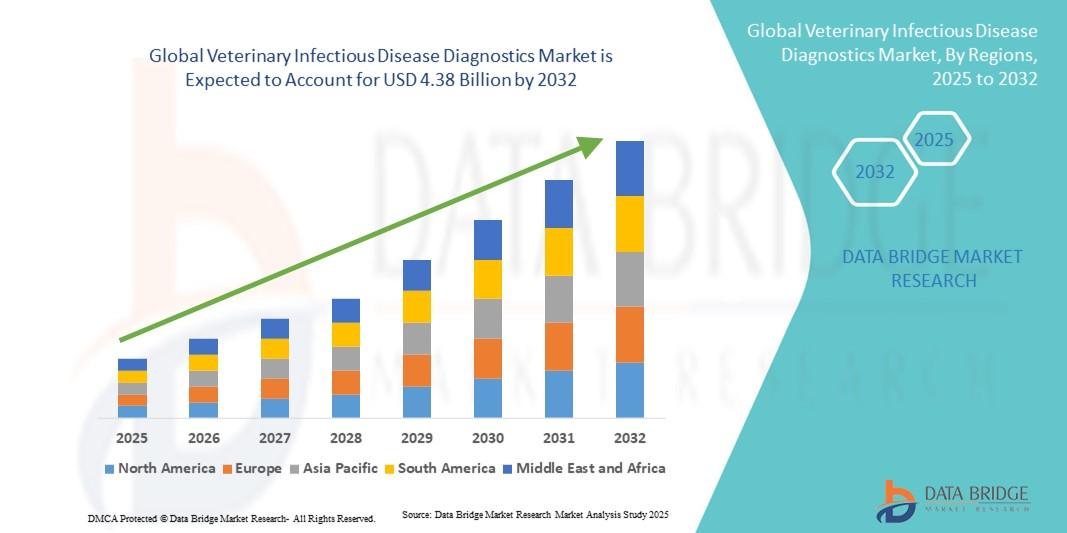
Executive Summary: Veterinary Infectious Disease Diagnostics Market Size and Share by Application & Industry CAGR Value The global veterinary infectious disease diagnostics market size was valued at USD 2.15 billion in 2024 and is expected to reach USD 4.38 billion by 2032, at a CAGR of 9.30% during the forecast period In the leading Veterinary Infectious Disease Diagnostics...
Manufacturing is the cornerstone of today's industry and business, enabling the production of products that define the world of everyday life as well as global trade. The industry is in a state of major transformation by infusing the conventional processes with the latest technologies and eco-friendly practices. The current estimates indicate a CAGR of 4.5% from 2024 to 2031 through 2032...