oXoo AI
Automotive Steering Knuckle Market Trends: Growth Drivers, Emerging Patterns & Industry Forecasts

As per MRFR analysis, the Automotive Steering Knuckle Market is on a steady growth trajectory, driven by rising global vehicle production, surging demand for passenger cars and commercial vehicles, and increasing adoption of advanced technologies in modern automobiles. Steering knuckles — essential components connecting the wheel hub to the suspension and steering system — are becoming more critical as automakers prioritize safety, handling precision, and performance. This blog explores the major growth drivers, emerging trends, and what lies ahead for the steering knuckle market.
🔧 What’s Fueling the Growth of Steering Knuckle Market
1. Surge in Overall Vehicle Production & Sales
As global demand for vehicles grows — especially in developing markets — production numbers are climbing. Every new vehicle built requires steering knuckles; hence, increasing production volume directly boosts demand for these components. This broad growth in the automotive industry remains a foundational driver.
2. Rise of Passenger Cars, SUVs & EVs
Passenger cars continue to dominate vehicle sales worldwide, with a growing share of SUVs and electric vehicles (EVs). These segments often demand advanced steering and suspension systems for better performance, ride quality, and safety — pushing automakers to invest in higher‑quality steering knuckles. Additionally, EVs and newer vehicle platforms often favor lighter, stronger components to improve energy efficiency and driving dynamics.
3. Shift Toward Lightweight Materials & Fuel Efficiency
To meet regulatory emission and fuel‑efficiency standards — and to improve vehicle performance — automakers are increasingly using lightweight materials like aluminum, high‑strength steel, or composites for steering knuckles. Lighter knuckles reduce unsprung mass, improve fuel efficiency (or battery range in EVs), and enhance handling and ride comfort. This shift is a key growth driver for the market.
4. Demand for Safety, Durability, and Performance Standards
Steering knuckles are vital to steering precision, wheel alignment, suspension performance, and overall vehicle safety. With growing emphasis on safety standards, crash compliance, and ride reliability, manufacturers are under pressure to use robust, high‑performance knuckles — especially for SUVs, off‑road vehicles, heavy‑duty trucks, and premium segments. This demand pushes the market toward better materials, improved manufacturing processes, and stringent quality control.
5. Aftermarket & Replacement Demand
As vehicles age, wear and tear on steering and suspension components increases. Many vehicle owners — particularly in markets with older vehicle fleets — prefer replacing worn-out knuckles rather than upgrading the entire suspension system. This aftermarket and replacement demand adds a consistent revenue stream for steering knuckle manufacturers beyond just OEM production.
🔄 Emerging Trends Shaping the Steering Knuckle Market
-
Advanced Material & Manufacturing Innovation: There’s growing use of aluminum, high‑strength alloys, composites, and precision forging/casting techniques to produce lighter yet stronger steering knuckles, suitable for EVs and modern vehicles.
-
Design Adaptations for EVs and Electric/Hybrid Platforms: As EV adoption rises, steering knuckles are being re-engineered to suit different weight distribution, torque characteristics, and suspension layouts typical to electric drivetrains.
-
Support for Advanced Safety & Driver Assistance Systems: Modern safety systems — including electronic steering, adaptive suspension, and driver assistance technologies — require steering components with higher precision and durability, driving demand for advanced, high‑quality knuckles.
-
Growing Aftermarket & Replacement Segment: With expanding global vehicle parc and rising number of aging cars, replacement steering knuckles are gaining traction in the aftermarket sector — especially in regions with older fleets or heavy vehicle use.
-
Regional Growth in Emerging Markets: Asia-Pacific and other developing regions, with rising vehicle production and demand for affordable yet reliable automotive parts, are seeing a spike in steering knuckle demand, both from OEMs and aftermarket suppliers.
📈 What to Expect: Market Outlook (2025–2035)
Over the next decade, the steering knuckle market is projected to continue its upward trend. As vehicle penetration increases globally — especially in high-growth markets — demand for steering components will rise. The shift toward EVs and lightweight construction, along with tighter safety and emission regulations, will steer automakers toward investing in advanced steering knuckles.
Manufacturers who innovate — using lighter, stronger materials, integrating knuckles with modern steering/suspension architectures, and offering cost‑effective aftermarket replacements — are likely to capture a larger market share. Growth will come not only from new vehicle production but also from aftermarket demand as vehicles age.
In emerging economies with growing middle-class populations and rising demand for personal mobility, steering knuckles will play a critical role in balancing cost, safety, performance, and regulatory compliance — making them an indispensable component for the future automotive landscape.
✅ FAQs on Steering Knuckle Market
Q1: What types of vehicles contribute most to steering knuckle demand?
A: Demand is highest from passenger cars, SUVs, and light commercial vehicles — segments where steering precision, ride comfort, fuel efficiency, and safety are key. With growing EV and SUV adoption, these vehicle types disproportionately drive market growth.
Q2: Why are lightweight materials important for steering knuckles?
A: Lightweight materials such as aluminum or high‑strength alloys reduce the unsprung mass of a vehicle, which improves fuel efficiency or battery range (in EVs), enhances steering responsiveness, and optimizes ride comfort — all of which are critical for modern vehicle design.
Q3: Does the aftermarket (replacement) segment matter for steering knuckles?
A: Yes. As vehicles age or undergo heavy use, steering and suspension components wear out. Many owners prefer replacing worn knuckles rather than replacing larger suspension assemblies, so aftermarket demand provides a steady revenue stream in addition to OEM production.
More Related Reports:
Categorie
Leggi tutto
"Executive Summary Saffron Extracts Market: Growth Trends and Share Breakdown CAGR Value Data Bridge Market Research analyses that the saffron extracts market which was valued at USD 0.5 billion in 2021 is expected to reach the value of USD 0.92 billion by 2029, at a CAGR of 7.9% during the forecast period of 2022-2029. While preparing this professional and exhaustive Saffron Extracts...

The fine art logistics market is at a crossroads where tradition meets environmental responsibility. As stakeholders—from museums to private collectors—become increasingly aware of the ecological footprint associated with transportation and storage, sustainability has emerged as a central theme influencing industry practices. Today’s logistics providers are tasked not only...

"Competitive Analysis of Executive Summary Sapphire Glass Market Size and Share CAGR Value The global sapphire glass market size was valued at USD 13.50 billion in 2024 and is expected to reach USD 19.94 billion by 2032, at a CAGR of 5.00% during the forecast period. A competition that is getting higher day by day has kept many challenges in front of the...

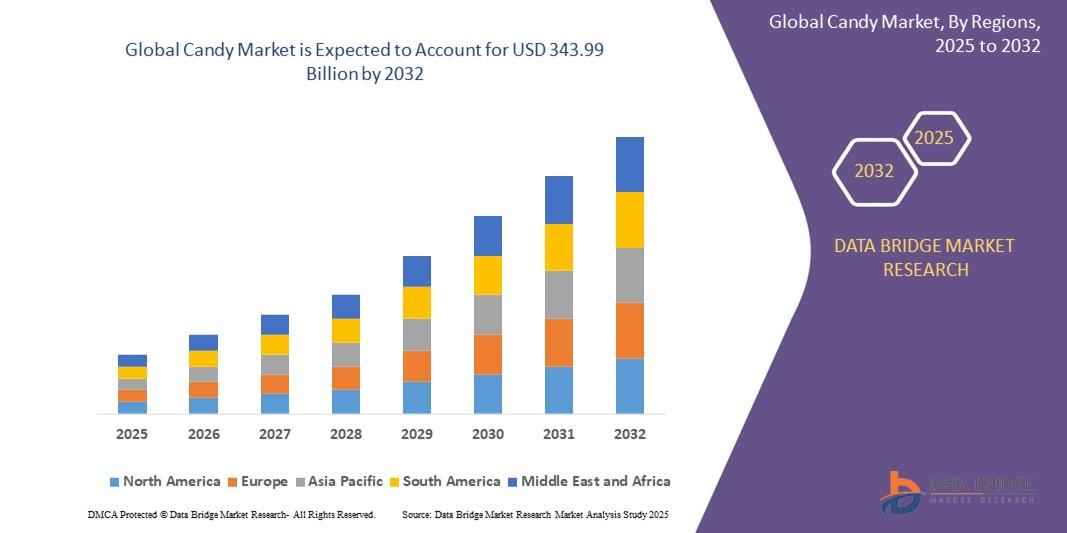
The candy market comprises a wide range of confectionery products including chocolates, sugar/confectionery sweets, gums, mints, and specialty/seasonal treats. Driven by shifting consumer tastes, rising disposable incomes in many regions, expanding retail channels, and strong seasonal demand, the candy sector continues to grow while adapting to health, sustainability, and premiumization...
Introduction Depyrogenated sterile empty vials are specialized containers designed to maintain the sterility and purity of injectable pharmaceutical formulations. These vials undergo depyrogenation — a critical heat-based or chemical process that eliminates pyrogens, primarily endotoxins, which can trigger adverse biological reactions if introduced into the human body. They serve as an...