oXoo AI
High-Voltage Transmission: Powering the Future of Energy
As per Market Research Future, the global HVDC grid market is witnessing significant growth due to the increasing demand for efficient and reliable power transmission systems. High-voltage transmission plays a critical role in the modern energy landscape, enabling the transfer of large amounts of electricity over long distances with minimal losses. With the surge in renewable energy integration, urbanization, and industrialization, HVDC (High Voltage Direct Current) systems have emerged as a pivotal solution to meet global energy requirements while maintaining grid stability.
High-voltage transmission lines are designed to carry electricity at voltages typically ranging from 100 kV to over 1,000 kV. These systems reduce the current required to transmit power, which, in turn, minimizes energy loss and enhances overall efficiency. Traditional AC (Alternating Current) transmission systems face limitations when it comes to long-distance power transfer, as they are susceptible to reactive power losses and voltage drops. HVDC systems, on the other hand, overcome these challenges by converting AC into DC for transmission and reconverting it back to AC at the receiving end. This process ensures a stable and continuous flow of electricity even across vast distances, making it ideal for interconnecting regional and national power grids.
One of the primary advantages of high-voltage transmission is its ability to integrate renewable energy sources, such as solar and wind, into the main grid. Renewable power plants are often located in remote areas far from population centers. HVDC technology enables efficient transmission from these locations without substantial energy loss. Moreover, HVDC systems can connect asynchronous grids, allowing electricity to be shared between regions with different operating frequencies. This capability is especially valuable in enhancing energy security and reducing dependency on a single power source.
The environmental benefits of HVDC transmission are also noteworthy. By minimizing transmission losses, these systems contribute to a reduction in greenhouse gas emissions. Additionally, the ability to use underground or submarine cables in HVDC projects reduces the visual and ecological impact of overhead power lines. This is particularly important in densely populated or environmentally sensitive regions where traditional transmission infrastructure may face significant opposition.
Investment in HVDC infrastructure has surged globally, driven by government initiatives, private sector participation, and advancements in technology. Countries such as China, India, and European nations are leading the deployment of high-voltage transmission projects to address growing energy demands and improve grid resilience. Moreover, smart grid integration and advanced monitoring systems further enhance the efficiency and reliability of HVDC networks, allowing real-time control and predictive maintenance.
Despite the numerous advantages, high-voltage transmission systems come with their own set of challenges. The initial capital cost for HVDC infrastructure is higher compared to conventional AC systems. Specialized equipment such as converters, transformers, and control systems requires significant investment and expertise. However, the long-term benefits, including reduced operational costs, improved energy efficiency, and enhanced grid stability, often outweigh the initial expenses, making HVDC a strategic choice for modern power networks.
As the energy sector continues to evolve, high-voltage transmission will remain at the forefront of technological innovation. Integration with renewable energy, cross-border interconnections, and smart grid technologies will further expand the capabilities and applications of HVDC systems. With global efforts focused on achieving sustainable and reliable energy solutions, high-voltage transmission is not just a technical requirement but a critical enabler for a greener, more connected future.
FAQs on High-Voltage Transmission
1. What is the main difference between HVDC and AC transmission?
HVDC (High Voltage Direct Current) transmits electricity using direct current, which reduces energy loss over long distances. AC (Alternating Current) transmission is more common for shorter distances but is less efficient for long-distance transfers due to reactive power losses and voltage drops.
2. How does high-voltage transmission support renewable energy integration?
High-voltage transmission allows electricity generated from remote renewable sources like wind and solar farms to be efficiently transmitted to urban centers. HVDC systems minimize energy losses during long-distance transmission, making renewable energy more viable for large-scale deployment.
3. Are HVDC systems environmentally friendly?
Yes, HVDC systems reduce transmission losses, which lowers greenhouse gas emissions. They also allow the use of underground or submarine cables, reducing the visual and environmental impact of overhead power lines.
More Related Reports:
PEM Small Capacity Electrolyzer Market
Categorie
Leggi tutto
"Harnessing Opportunities for India Motorsport Products Market As per Market Research Future Analysis, the India Motorsport Products Market is projected to reach USD 6.7 Billion by 2035, registering a CAGR of 7.823%. The industry overview includes a detailed examination of market size, share, and key players. Today, industries across India are witnessing a significant shift in how they operate,...

A new growth forecast report titled Automotive Crankshaft Market Size, Share, Trends, Industry Analysis Report By Crankshaft Type (Forged Crankshaft, Cast Crankshaft, Billet Crankshaft), By Material, By Manufacturing Process, By Vehicle Type, By Region – Market Forecast, 2025–2034 introduced by Polaris Market Research represents conclusive data on the overall market. It...

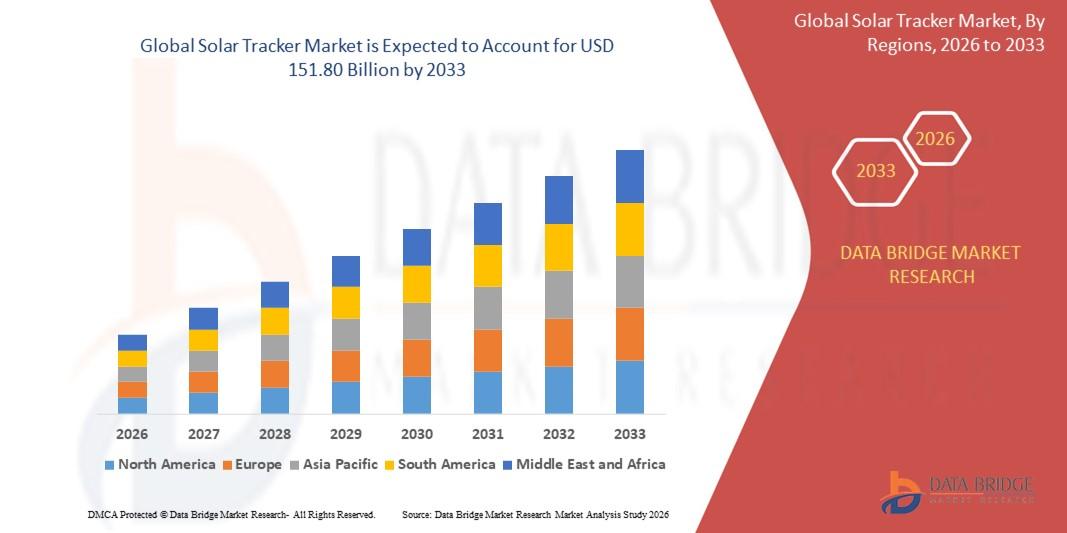
"Executive Summary Solar Tracker Market: Growth Trends and Share Breakdown CAGR Value The global solar tracker market size was valued at USD 15.41 billion in 2025 and is expected to reach USD 151.80 billion by 2033, at a CAGR of 33.10% during the forecast period. The Solar Tracker Market report has been formed with the appropriate expertises that utilize...
In-Depth Study on Executive Summary Spinal Implants and Surgical Devices Market Size and Share The global spinal implants and surgical devices market size was valued at USD 12.80 billion in 2024 and is expected to reach USD 20.56 billion by 2032, at a CAGR of 6.10% during the forecast period As the high quality Spinal Implants and Surgical Devices...
The FREMM Air Defense Variant Market is anticipated to experience substantial growth over the forecast period, driven by rising global defense budgets and increasing naval modernization initiatives. These advanced frigates, equipped with state-of-the-art air defense systems, are playing a critical role in strengthening maritime security across multiple regions. Growing geopolitical...