 oXoo AI
Mobile Power Banks: Powering Modern Mobility
As per Market Research Future, the growing demand for uninterrupted device usage has significantly expanded the global portable charger market, making mobile power banks an essential accessory in today’s fast-paced, always-connected world. With smartphones, tablets, wearables, and portable gadgets now indispensable for communication, productivity, fitness, and entertainment, consumers increasingly rely on external power solutions to keep their devices running throughout the day. Mobile power banks have evolved in both design and performance, delivering higher capacity, faster charging, and advanced safety features that cater to diverse user needs.
Mobile power banks first gained prominence as smartphone batteries struggled to keep pace with increasing screen sizes, processing power, and connectivity features. Today, advancements in lithium-ion and lithium-polymer technologies have made power banks lighter, safer, and more efficient. Modern power banks offer capacities ranging from compact 5,000 mAh models suitable for emergency top-ups to robust 30,000 mAh options designed for travel, gaming, and professional use. As consumers demand fast charging, many power banks now incorporate technologies such as Quick Charge, USB Power Delivery, and even wireless charging capabilities, enabling users to charge multiple devices at optimal speeds.
Design has also become a key differentiator in the mobile power bank market. Slim, pocket-friendly models appeal to commuters and everyday smartphone users, while rugged, waterproof, and solar-powered versions cater to outdoor enthusiasts and frequent travelers. Some premium power banks also include digital displays that reveal exact battery percentages, ensuring better control over power management. Multi-port designs allow simultaneous charging of phones, tablets, earbuds, smartwatches, and even laptops, reflecting the growing number of devices consumers carry.
Safety remains a primary concern in the development of mobile power banks. Manufacturers now integrate multiple protection layers, such as temperature control, overcharge prevention, short-circuit protection, and automatic shut-off mechanisms. These features ensure reliable performance while extending the lifespan of both the power bank and the connected devices. As counterfeit and low-quality products can pose significant risks, brands increasingly emphasize certifications and compliance with global safety standards.
Environmental sustainability is another emerging trend shaping the power bank landscape. With increased awareness of electronic waste and energy efficiency, brands are investing in recyclable materials, long-lasting battery cells, and eco-friendly production methods. Some companies even explore solar-powered solutions, enabling users to recharge their power banks independently from electrical outlets—an attractive feature for travelers, hikers, and consumers in regions with unstable power supply.
The rise of remote work, digital learning, and mobile gaming has further elevated the significance of mobile power banks. Students, professionals, and gamers depend on reliable backup power to remain productive and connected. Portable power solutions also play a crucial role during emergencies, natural disasters, or situations where electricity access is limited. This growing dependence ensures that power banks remain one of the most in-demand accessories worldwide.
Looking ahead, the future of mobile power banks will be shaped by innovation in battery materials, rapid-charging protocols, and smart features. Graphene-based batteries, for instance, promise faster charging, higher capacity, and better heat management. Integration with mobile apps, allowing users to monitor power usage and health metrics, may soon become standard. Wireless charging advancements may lead to power banks doubling as portable charging pads, offering seamless convenience.
In conclusion, mobile power banks have transformed from simple backup solutions into advanced, feature-rich devices that support modern digital lifestyles. As technology continues to advance, consumers can expect even more efficient, sustainable, and intelligent portable charging options in the years ahead.
FAQs
1. What capacity power bank should I choose?
The ideal capacity depends on your usage. A 10,000 mAh power bank is suitable for everyday users, while 20,000 mAh or higher is recommended for travelers, gamers, or those who charge multiple devices.
2. Are fast-charging power banks safe for smartphones?
Yes. Reputable fast-charging power banks include built-in safety features that regulate voltage and prevent overheating, ensuring safe and efficient charging for compatible devices.
3. Can power banks charge laptops?
Some high-capacity power banks equipped with USB-C Power Delivery can charge laptops, provided the wattage output meets the laptop’s power requirements. Always check compatibility before purchasing.
More Related Reports:
Rooftop Solar Photovoltaic Market
Категории
Больше
The global Net Promoter Score (NPS) market leads the nation's so-called 'renaissance', such that each industrial segment is endowed with well-efficient and networked solutions. IT infrastructure forms a necessity, ranging from cloud storage to cybersecurity. Based on market performance during 2025-2032, the sector experiences a CAGR of 11.5%, whereas valuation continues to...

Introduction Black masterbatches are concentrated mixtures of carbon black pigments and polymer carriers used to impart deep, uniform color and enhanced functional properties to plastic products. These additives play a critical role in improving opacity, UV protection, and overall performance of materials used across diverse industries such as automotive, packaging, construction, agriculture,...

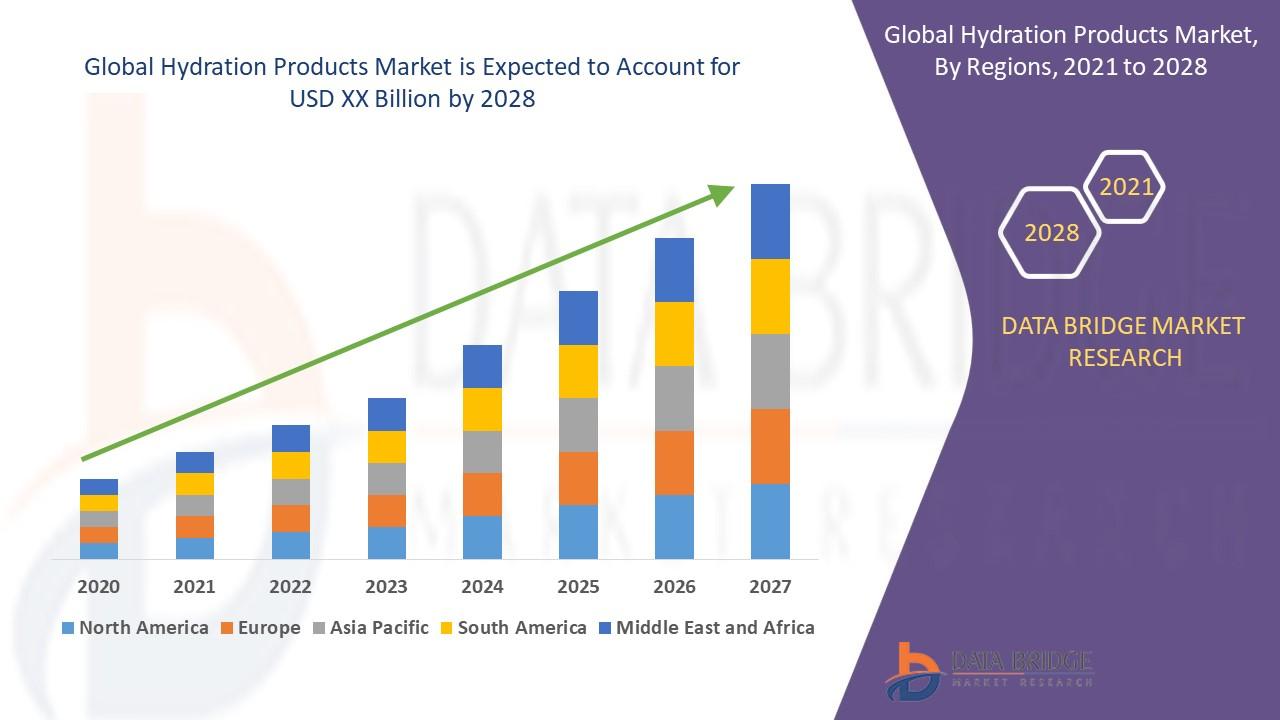
Executive Summary Hydration Products Market Trends: Share, Size, and Future Forecast CAGR Value The global hydration products market size was valued at USD 550.26 billion in 2025 and is expected to reach USD 782.53 billion by 2033, at a CAGR of 4.50% during the forecast period The Hydration Products Market report provides current as well as...
The global Life Insurance Policy Administration Systems Software Market leads the nation's so-called 'renaissance', such that each industrial segment is endowed with well-efficient and networked solutions. IT infrastructure forms a necessity, ranging from cloud storage to cybersecurity. Based on market performance during 2025-2032, the sector experiences a CAGR of 13.7% from 2024 to 2031,...

The Mobile Money Market trends illustrate how digital financial services are evolving in response to consumer needs and technological advancements. According to MRFR, the market was valued at 4.67 USD Billion in 2024 and is projected to reach 43.78 USD Billion by 2035 at a CAGR of 22.56% from 2025 to 2035. The increasing adoption of mobile wallets, P2P transfers, and merchant payments...